
Lifestyle
Musté Meaning in Modern World


France is famous for many good reasons such as the famous Eiffel Tower in Paris, the sunny coastlines of Marseille, and the beautiful grand palaces of Versailles etc. But there are some other incredible things about French culture which are considered as the true beating heart of France.
The word musté describe some fascinating things about French culture. It is a cultural word which tells us deep stories about how French people are connected with their past. It is not a famous word and you won’t find it in general French textbooks, but it has deep meanings.
Unpacking the Meaning of “Musté”
If we talk about English meaning of the word “musté” then we can say that grammatically it is an adjective that describes the quality or a feeling. It can also be described as something heartfelt or filled with emotions and traditions. But “Musté” is not just a word it’s a whole vibe. It’s the feeling which you get when you find something that is connected to its past in its authentic way.
For example, the feeling you get when you take a bite of homemade bread which is originally made from the grain from a nearby village field. This strong feeling of the past authentic taste can be called as musté.
A Journey to the Roots: The History of “Musté”
It is not a French word rather it is originally taken from the Occitan language which was spoken in southern France as well as in some parts of Spain and Italy. This language was specifically used by the French poets and singers. They used words such as musté to express their feelings in their songs or poetries. However, Occitan is an old language which disappears with the passage of time. But the words like “Musté” is one of those which survive. In southern France, the word is still used by families, friends and artists that shows their connection with their roots.
The Cultural Heartbeat: What “Musté” Represents
Let’s discuss what kind of feelings do “musté” represents. The word describe the roots of Southern French life.
- Food and Drink:This word is often used to describe meals such as smoky beef stew which is made with local wine and organic herbs from garden. The fresh goat cheese taken from a farm directly put on dining table can also be called as musté.
- Celebrations and Festivals: The classical music which is liked by our grandparents in past can also be called as a musté. A musté festival can be a kind of annual party which involves the old traditional food to eat, old fashioned games to play and ancient dance styles. Such festivals are not fancy but it feels less like entertainment and more like a celebration of community bonding.
- Places and Objects:If we use the word “musté” for a place then we can imagine that it could be a village with an ancient fountain or a family park. In this way the word “musté” can also be used to define some ancient places or objects that has some history.
“Musté” in the Modern World
The word “musté” is an old traditional word, but it never means that it has no place in today’s modern world. Surprisingly, it is more relevant than ever.
As our lives becomes very fast and digital, we do not get enough time to meet with our past memories. We are losing our cultural values. People have become so artificial, that there seems to be a lack of authenticity. In such times there’s a growing need for what’s real and authentic. For the preservation of cultural roots, people have started using words like musté because they are well aware that losing such words means losing originality and their identity. For example, in these days a word nostalgia is used by the people to describe their affection with their roots.
Why This Little Word Matters to All of Us
“Musté” shows the deep connection of the people with their past. It is a universal concept. It’s all about connections, for example connection with a specific place or with a community. It urges people to be authentic and be real even in such world where everything seems so fake. People have started finding peace and affection in the old ideas of living.
How to Find “Musté” in Your Own Life
We can find “musté” in our own life. It is not something which is locked in France or French culture rather it is a universal idea that can be explored anywhere such as seeking out the local traditional food items or places, or learning about some local stories or choosing an old piece of craft over a modern one etc.
The Enduring Gift of “Musté”
We can say that “musté” is not just a word. It’s a whole feeling or a legacy that stays forever. It’s not something which can be fade away, rather it is a way to authenticity and a tool to communicate with your past.

Hello Kitty is everywhere. She is on bags, clothes, and lunchboxes. But lately, she is on our screens too. Hello Kitty wallpapers are very popular. People love them for their phones, tablets, and computers. But why? What makes a simple wallpaper so special?
Let us find out. Let us talk about Hello Kitty wallpapers. We will use simple words. We will keep it short and easy.
What is Hello Kitty?
First, we must know who she is. Hello Kitty is a character from Japan. She was created in 1974. She is a little girl. She looks like a cat. She has a red bow on her ear. She has no mouth. She has two black dots for eyes. Her design is very simple.
This simplicity is her secret. Because she has no mouth, she does not show emotion. We can decide how she feels. If we are happy, she is happy. If we are sad, she is sad. She becomes what we need her to be. This is why she connects with so many people.
Why are Hello Kitty Wallpapers so Popular?
People love these wallpapers for many reasons.
They are cute. This is the main reason. Hello Kitty is adorable. Her round face is soft. Her pink bow is pretty. Looking at her makes us smile. She brings a little joy to our day. A wallpaper with her face is like a small dose of happiness. Every time we open our phone, we see something sweet.
They make us feel nostalgic. Many of us grew up with Hello Kitty. We had her on our pencil cases. We had her on our notebooks. Seeing her now brings back memories. It reminds us of being a kid. It feels safe and warm. This feeling is very powerful. It makes us want to keep her close.
They are a way to express ourselves. A wallpaper is like a personal billboard. It tells the world who we are. If you use a Hello Kitty wallpaper, you show that you like cute things. You show that you are playful. You might even find other fans. It is a way to connect with people who like the same things.
They help us relax. Life can be stressful. We work hard. We worry a lot. A soft, pink wallpaper can calm us down. It is a small escape from a tough day. One writer said it is like a “silent roommate” that gently pulls you out of anxiety. It is a tiny piece of comfort in our pocket.
The Many Styles of Hello Kitty Wallpapers
The best part is the variety. There is a Hello Kitty wallpaper for everyone. You are not stuck with just one look.
Classic Pink. This is the most famous style. The background is pink. Hello Kitty is in the center. It is sweet and girly. It is the traditional look that everyone knows.
Minimalist. This style is simple and clean. The background might be white or a soft color. Hello Kitty is small. Maybe just her outline or her bow. It is not too busy. It looks modern and chic. It is perfect for people who like a tidy look.
Bold and Bright. This is for people who want to stand out. The colors are very strong. Hot pink, cherry red, and electric blue. The designs are loud and energetic. They make a big statement. They are fun and full of life.
Y2K or Retro. This style is a trip to the past. It looks like the early 2000s. Think glitter, bright colors, and pixelated designs. It is very trendy right now. Young people love this nostalgic look.
Black or “Baddie” Style. This is the opposite of pink. The background is black. Hello Kitty might have darker skin. She might wear edgy clothes like leopard print or cowboy boots. This style is cool and a little bit rebellious. It shows that cute does not have to be soft.
The “Black” Hello Kitty Trend
There is a new trend called “Black Hello Kitty” or “Dark Skin Hello Kitty”. This version has brown or tan skin. She looks very different from the classic white Kitty. This style is very popular on social media.
Why do people like it? It is about being different. The classic Kitty is sweet and gentle. The black Kitty is bold and tough. She is still cute, but she has an attitude. People use this wallpaper to show they are unique. They do not want to follow the crowd. They want to show their own style.
Where Can You Use These Wallpapers?
You can use them anywhere. They are great for your phone lock screen. They are fun for your computer desktop. You can even use them in your home. Some people put Hello Kitty wallpaper on their bedroom walls. It makes the room bright and cheerful.
You can even find live wallpapers. These move and change. They are very cool and eye-catching.
How to Find the Perfect One
It is very easy to find these wallpapers. Just search online. Use keywords like “Hello Kitty wallpaper” or “cute Hello Kitty background”. You can look on Pinterest, Google Images, or special wallpaper apps. Make sure the image is high quality. A blurry picture does not look good on a big screen.
A Few Things to Think About
There are some interesting ideas about Hello Kitty. Some people say she is like a “spiritual pacifier”. They mean she helps adults feel safe. In a tough world, she offers a soft place to rest. Her simple, empty face allows us to project our own feelings onto her. She does not judge us. She just exists, bringing a little bit of peace.
So, Do You Like Hello Kitty Wallpapers?
The answer is up to you. There is no right or wrong. Some people love them. They bring them joy and comfort. Other people might find them too childish. And that is okay.
But you cannot deny their popularity. Millions of people use them. They are a global phenomenon. They are more than just a picture. They are a feeling. They are a memory. They are a little piece of happiness on your screen.
If you like cute things, give one a try. If you want to feel nostalgic, find a classic one. If you want to be bold, try the black Kitty. There is a style for everyone. It is a small change that can make your day a little brighter.
So, what do you think? Do you like the Hello Kitty wallpapers? I think they are pretty great. They are simple, sweet, and full of charm. They are a tiny reminder to smile. And in this busy world, we could all use a little more of that.
The toilet seat is one of the most used surfaces in any home. We sit on it, we touch it, and sometimes we even lean on it. But how often do we really think about how dirty it can get? A toilet seat can hold many germs. These germs are invisible.
They can make us sick. Taking care of your toilet seat cover is not just about making it look shiny. It is about keeping your family healthy. It is about good hygiene. This guide will show you how to do it right. We will keep things simple. We will keep sentences short. Let’s learn how to take care of that important seat.
Why is the Toilet Seat So Dirty?
First, we must understand the problem. Germs love warm, damp places. The bathroom is the perfect home for them. Every time you flush the toilet, a lot happens. Water sprays up into the air. This spray is invisible. It carries tiny drops of water and germs. Scientists call this a “toilet plume.” This spray can land on the seat.
It can land on the lid. It can even land on your toothbrush. This is why we must be careful. The seat also touches our skin. It collects sweat and body oils. If we don’t clean it, bacteria grow quickly. A dirty seat looks bad. It also smells bad. But more importantly, it is a health risk. So, we need a plan. We need a simple cleaning routine.
Rule Number One: Always Close the Lid
This is the golden rule. Always close the lid before you flush. It is a simple habit. It is a very effective habit. When the lid is down, the spray stays inside the bowl. The germs cannot fly into the air. This protects the seat cover. It also protects the whole bathroom. It keeps the water droplets off your towels and sink.
Make this a rule for everyone in the house. Teach your kids to do it. If you have guests, put a small sign near the toilet. It reminds them to close the lid. This is the first step to a clean toilet seat. It prevents dirt from getting there in the first place.
Choosing the Right Cleaning Products
Now, let’s talk about cleaning products. You cannot use just anything. You have to be smart. Toilet seats are made of different materials. Some are plastic. Some are wood. Some are painted. Harsh chemicals can damage them. For example, bleach is very strong. It can make the color fade. It can make the surface crack. Cracks are dangerous. Germs hide in cracks. You cannot clean them out.
What should you use? Simple, mild cleaners are best. Dish soap works well. It cuts grease and removes dirt. White vinegar is a natural hero. It kills germs. It removes stains. It is safe for the seat. Baking soda is also great. It is a gentle scrubber. It removes tough spots. Look for a mild disinfectant spray. Make sure it says “safe for all surfaces.” Avoid abrasive scrubbers. Do not use steel wool. Do not use rough sponges. They scratch the surface. Use a soft cloth or a sponge. Protect your seat. It will last longer and stay cleaner.
The Daily Cleaning Routine
You should clean the seat every day. It only takes a few minutes. Do it when you brush your teeth. It is an easy habit to add to your day.
First, get a damp cloth. Use warm water. Add a little dish soap. Start at the top. Wipe the lid. Wipe the outside top. Then flip the lid up. Wipe the inside of the lid. Now, focus on the seat itself. Wipe the top of the seat. Then, lift the seat. Wipe the bottom side. This part touches the bowl. It is very dirty. Do not forget the rim. The rim is the edge. Wipe it carefully.
Rinse your cloth. Wipe the seat again with clean water. This removes soap residue. Finally, dry it. Use a clean, dry towel. A dry seat is a clean seat. Germs need moisture to live. Keep it dry.
The Weekly Deep Clean
Daily cleaning handles the surface. But once a week, you need a deep clean. This tackles the hidden spots. Take a look at the hinges. These are the bolts at the back. They hold the seat to the bowl. They collect dust. They collect dirt. They often get wet. People usually miss them.
Get an old toothbrush. Dip it in white vinegar. Scrub the hinges. Scrub around the bolts. You will be surprised by what comes off. Then, take a disinfectant spray. Spray the whole seat and lid. Let it sit for a few minutes. The spray needs time to kill the germs. Do not wipe it off right away. Read the label. Most sprays need about one minute. After that, wipe it clean. Also, check the underside of the seat. This area touches the ceramic bowl. It can get moldy. Wipe it well.
Dealing with Stains and Bad Odors
Sometimes, you see stains. They look yellow or brown. Hard water causes these stains. Urine can also cause them. Do not worry. It is easy to fix.
Make a thick paste. Use baking soda and a little water. Put the paste on the stain. Let it sit for ten minutes. Then, scrub gently with a soft sponge. The baking soda lifts the stain. Rinse it with water. The seat will look new again.
Bad smells are another problem. They come from germs. They can also come from trapped moisture. Use lemon juice. Mix it with water. Wipe the seat with this mixture. It smells fresh and clean. It cuts through grease. You can also use a few drops of essential oil. Tea tree oil is great. It kills bacteria. It leaves a nice scent.
Watch Out for Cross-Contamination
Cross-contamination is a big word. But it means a simple thing. It means spreading germs from one place to another. Do not use the same cloth for the toilet seat and the sink. That spreads bacteria to your sink.
Keep a separate cloth just for the toilet. You can use paper towels. They are great. You clean the seat and throw them away. This stops germs from moving around. Also, keep your toilet brush clean. After you use it, rinse it with hot water. Put it back in its holder. Let it dry. A wet brush grows bacteria.
Personal Habits that Make a Difference
Hygiene is not only about cleaning. It is about how we behave. Always wash your hands after using the toilet. Use soap. Scrub your hands for twenty seconds. This is how you break the chain of germs.
Use a tissue to open the toilet lid. This keeps your hands clean. Teach this to children. At home, you can keep a small spray bottle of sanitizer. Spray the seat before you sit down. This gives extra peace of mind. If you have guests, they will appreciate it.
Special Care for Children and Pets
Children love to touch everything. They lean on the seat. They put their hands on the rim. Clean the seat more often if you have kids. Train them to close the lid. Pets are also a concern. Dogs and cats sometimes drink from the toilet. That is very dangerous. They can get sick from the germs. Keep the lid closed all the time. It is better for them and for you.
Know When to Replace the Seat
Even with the best care, seats get old. Look for cracks. Look for scratches. These are traps for germs. Once the seat is scratched, you cannot clean it properly. Bacteria live in those lines. The color might fade. The hinges might rust or become loose. If it wobbles, it is time to replace it.
A new toilet seat is not expensive. It is a good investment. It makes your bathroom look fresh. It is safer for your health. Do not wait too long. If it is over five years old, consider changing it. It is one less place for germs to hide.
The Right Tools Make it Easy
To make cleaning easy, you need the right tools. Keep a spray bottle near the toilet. Keep a pack of microfiber cloths. They trap dust and germs very well. They do not leave lint. Also, have a small scrubbing brush. This helps with the hinges. Keep them in a small caddy. Store it near the toilet. When everything is nearby, you will clean more often. It will become a quick habit.
A Note on Disposable Seat Covers
In public restrooms, we see paper seat covers. They are good. They create a barrier. But at home, we do not use them. We rely on our cleaning routine. However, if someone is sick, they can use them at home too. It protects the seat from their germs. It makes it easier to clean later.
Keeping the Bathroom Ventilated
Ventilation is important. It helps control moisture. A damp bathroom grows mold. Mold is a fungus. It is bad for your lungs. It also grows on toilet seats. Open a window when you can. Use the exhaust fan. Let the air flow. It dries the seat faster. It stops bad smells. It is a simple way to support good hygiene.
Disinfecting vs. Cleaning
Many people confuse these two things. Cleaning removes dirt and grime. Disinfecting kills germs. You need to do both.
First, clean the seat. Use soap and water. Remove the visible dirt. Then, use a disinfectant. Spray it on. Let it sit. Read the instructions. Most need to stay wet for a few minutes to work. If you wipe it off instantly, it does not kill the germs. Do this once a week to be safe.
A Step-by-Step Quick Recap
Let’s make it very simple. Here is your quick checklist.
- Close the lid.Always close it before flushing.
- Gather tools.Get your cloth, spray, and brush.
- Daily wipe.Use soapy water. Wipe the lid, top, and bottom of the seat. Dry it.
- Weekly deep clean.Spray with disinfectant. Wait. Scrub the hinges. Wipe the underside.
- Remove stains.Use baking soda paste. Let it sit.
- Replace worn seats.If it is cracked, throw it away.
- Wash your hands.Always wash them after.
- Keep it dry.Use the fan or open a window.
Why This Matters
Taking care of your toilet seat cover is important. It is about respect. It respects your family. It respects your guests. It keeps the bathroom a clean and safe place. Germs are everywhere. But we can fight them. We do not need harsh chemicals. We do not need a lot of time. We just need a good routine.
A clean toilet seat makes you feel good. It gives you peace of mind. You do not have to worry about getting sick. You can use the bathroom without stress. It is a simple task. But it has a big impact on your health.
So
Start today. Make these steps part of your life. It takes just two minutes a day. Teach your family. Show them how to close the lid. Show them how to wipe. When everyone works together, it is much easier.
Remember, hygiene is a habit. It is not a one-time job. Stay consistent. Be careful with your tools. Choose the right cleaners. And do not forget the hinges! Those small parts are often forgotten. They are often the dirtiest.
Your toilet seat is not a bad thing. It just needs a little care. Treat it right, and it will serve you well. Stay clean. Stay safe. Happy cleaning. You have got this.

Choosing a driving school is an important step. It shapes the driver you will become. A good school gives you skills for life. A poor school can leave you unprepared and anxious. You want a place that values safety and confidence. Here is how to find the right school for you.
Start With Reputation and Reviews
Word of mouth is your best friend. Ask family and friends for their experiences. People who passed recently will give you honest opinions. Check online reviews on Google and social media. Read what past students say. Look for patterns in the feedback. Many comments about patient instructors are a great sign. Complaints about hidden fees or rude staff are red flags. A school with a solid reputation has earned it over time. Do not ignore negative reviews. A single bad review is normal. Many reviews with the same problem tell you something important. A good name in the community speaks volumes.
Verify Accreditation and Licensing
The school must be fully licensed and accredited. Check if the government body in your area recognizes them. Accreditation means they meet official standards. It means their instructors are properly qualified. It means their curriculum is approved. Do not be shy to ask for proof. A legitimate school will proudly show their credentials. Proper licensing protects you as a learner. It also matters for your driving record and test eligibility. Avoid unregistered operators. They may be cheaper but they cut corners. Your safety is not worth the risk.
Check Instructor Qualifications
The school is only as good as its instructors. Every instructor must hold a valid driving instructor license. They should have passed rigorous tests of their own. Ask about their experience. Many years on the job means they have seen it all. Good instructors keep learning through ongoing training. The school should invest in developing its teachers. A qualified instructor stays calm and communicates clearly. They adapt to your learning style. You want someone who builds you up. Ask if you can meet your instructor before booking. The school should happily arrange this.
Look at the Curriculum and Lesson Structure
A top driving school does not just teach you to pass the test. They teach you to be a safe driver for life. Ask to see a typical lesson plan. Lessons should follow a clear and logical order. You start with vehicle controls and basic maneuvers. Then you progress to junctions, roundabouts, and highway driving. Each skill builds on the last. The school should keep a progress record for you. This helps you see what you are doing well and what needs work. The curriculum must include defensive driving techniques. These skills keep you safe after you get your license. A structured plan saves you time and money.
Ask About the Training Vehicles
The car you learn in matters a lot. It should be modern, clean, and well-maintained. The vehicle should have dual controls for safety. This lets the instructor brake or clutch if needed. Make sure the car suits your size and comfort. The seat and steering wheel should adjust easily. Good visibility is very important. Air conditioning makes summer lessons bearable. Check if the school uses a single vehicle type or many. Learning in a car that is similar to what you will drive later helps. A well-kept fleet shows the school cares about its service.
Evaluate the School’s Focus on Safety
Safety must come first in everything they do. Ask the school about their safety record. They should be proud to share it. They must teach hazard perception skills. You should learn to anticipate problems before they happen. The school must have clear policies for emergency situations. Instructors should never raise their voice or take unsafe risks. The learning environment must feel calm and controlled. A safety-first mindset reduces accidents long term. The right school makes defensive driving a habit, not a theory point.
Consider Flexibility and Location
Life is busy. The school should fit into your schedule. Ask about lesson times. Do they offer evening or weekend lessons? Can they pick you up from home, work, or school? The location of the pick-up area matters. A local school knows the test routes and tricky junctions well. They also save you travel time. Check their cancellation policy. Life happens and you need flexibility. A fair school gives notice if they must reschedule and expects the same from you. They do not impose rigid blocks that are hard to break.
Understand the Pricing and Value
Price is a major factor but never the only one. Very low prices can be a warning sign. Cheap schools may use unqualified instructors or old cars. You might end up needing many extra lessons. The real cost then becomes much higher. Ask for a clear breakdown of all charges. Check what a standard lesson includes. Is it a full 60 minutes? Are motorway lessons extra? What about theory test support? Some schools offer package deals at a discount. This can be good value if you are sure about the school. Be wary of huge upfront payments. A trustworthy school does not pressure you. Good value means excellent teaching for a fair price.
Look at Pass Rates and Test Readiness
A high first-time pass rate is a good sign. But do not let it be your only measure. Some schools pick only easy students. A great school will teach anyone, including very nervous learners. They should honestly assess when you are test ready. They will not hold you back just to get more money. They also will not send you for the test too early. Ask them about their mock test procedure. A realistic mock test builds your confidence. They should know the local test centre and its routes well. This focused preparation matters.
Pay Attention to Communication and First Contact
Your first phone call or message tells you a lot. Is the staff friendly and helpful? Do they answer your questions clearly? Do they take the time to understand your needs? Good communication is key. If they seem too busy to talk now, they may be too busy later. A school that values you from the start will likely treat you well. They should explain their services simply. They should not use confusing jargon. You must feel comfortable asking anything. Trust your instincts during that first conversation.
Take a Trial Lesson
Many good schools offer a trial lesson or assessment. Do it before you commit to a block. This is your chance to test the school in real life. Pay attention to the vehicle condition. Is the instructor on time? Do they make you feel at ease? Do they explain things clearly from the start? Do they ask about your fears or previous experience? The lesson should feel productive but not overwhelming. After the trial, ask yourself how you felt. Were you stressed or comfortable? Did you learn something useful? You are the customer. It is okay to say no and try another school. This decision is too important to settle.
Read the Fine Print
Before you sign up, understand the terms and conditions. Look at the cancellation policy. Check the expiry date on any lesson packages. Understand the payment methods accepted. There should be no hidden fees for test day car use. The school should be transparent about everything. A professional school puts everything in writing. This protects both you and them. If something is not clear, ask. If the answer feels evasive, be cautious. Clear terms are a sign of an honest business.
Trust Your Gut Feeling
After all your research, listen to yourself. How does the school make you feel? Do you feel excited to start? Or do you feel anxious and pressured? Your comfort matters a lot. You will spend many hours learning this life skill. The right environment makes all the difference. Choose a school that feels supportive and professional. The right choice sets you up for a lifetime of safe and enjoyable driving. Take your time. Make a wise decision. Happy driving starts with the right school.

Do You Like the Hello Kitty Wallpapers?

How to Keep Your Toilet Seat Cover Clean & Hygienic?

How to Choose a Car Driving School?

Free Profile Creation Sites UK to Build Online Presence

Innøve What is it & How Innøve Helps Traditional Businesses?

Is the daily screen time healthy for kids?
How to Deal with Continues Child’s demand for Gadgets?

MataRecycler Things you Need to Know about Smart Recycling

How Old Parents Keep the Kids Engaged in Activities?

Xlecz Enhancing the Digital Creativity
Natural Rubber vs Cork Yoga Mat – which is Better?

TPE vs EVA Yoga Mat & NBR vs PVC Yoga Mat
How to Roll Up a Yoga Mat? For Long Lasting
Pilates Mat vs Yoga Mat
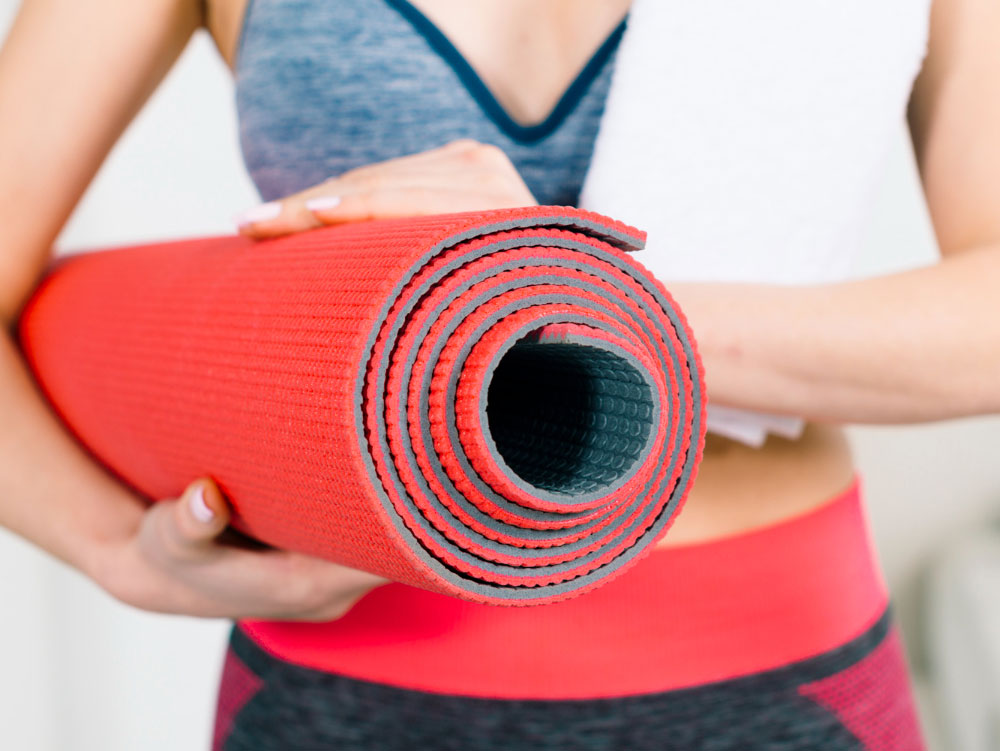
Which is the Best Yoga Mat Thickness?
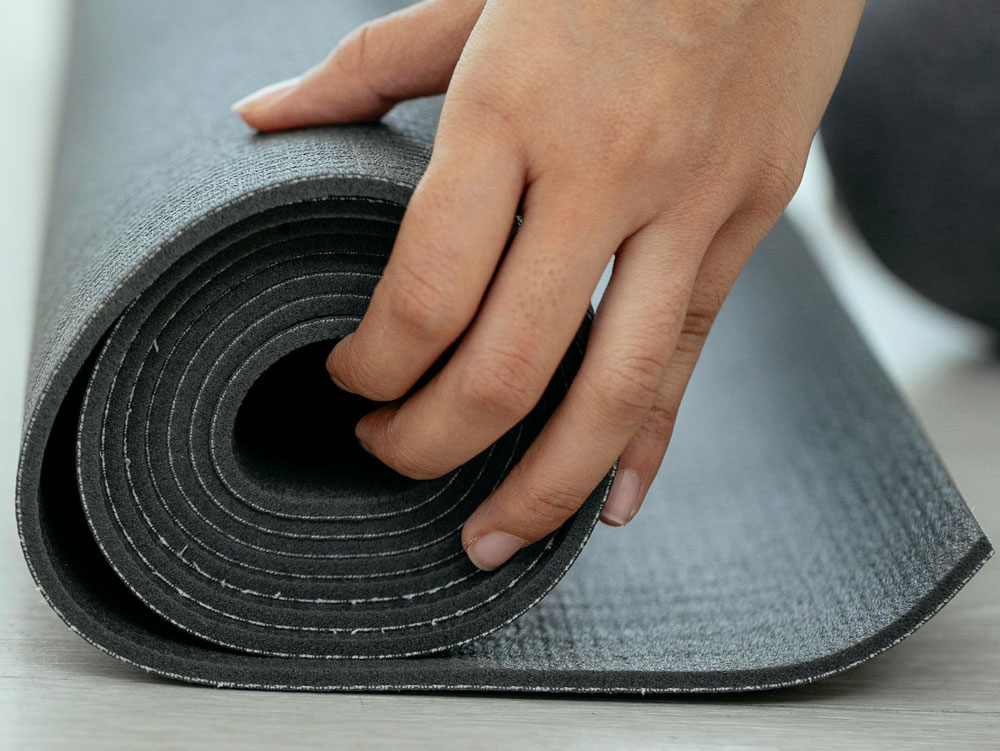
Which Material is Best for Yoga Mat
How to Clean / Wash Yoga Mat

How to Become a Yoga Instructor UK
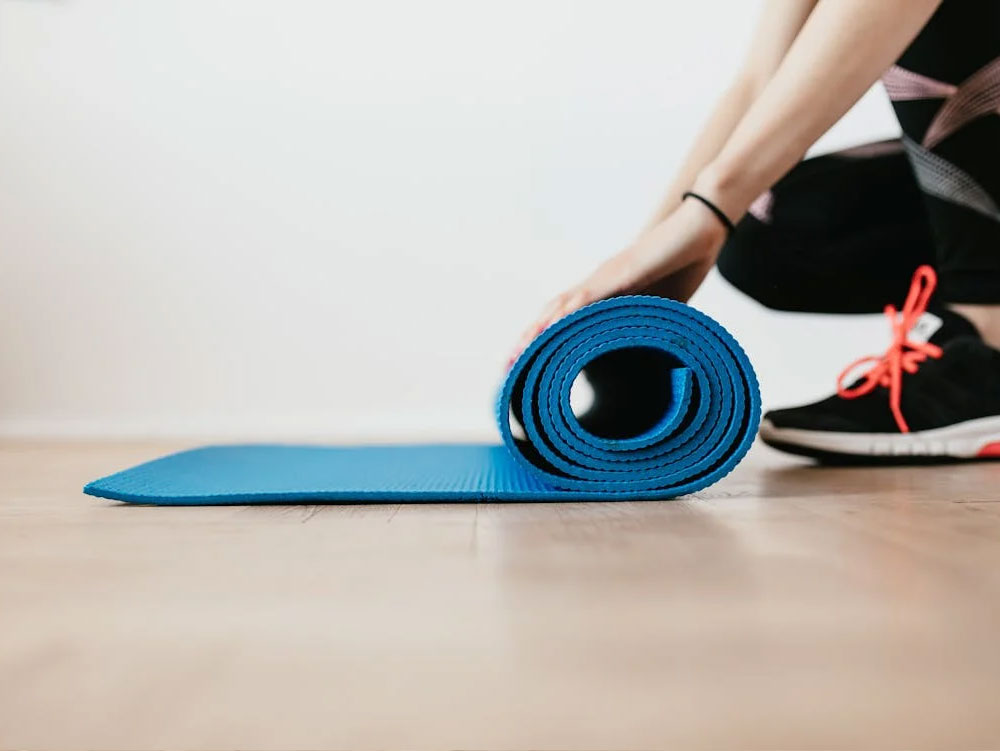
Which is the Best Yoga Mat Size?

What is the difference between Yoga Leggings and Running Leggings
-
Yoga2 years ago
Natural Rubber vs Cork Yoga Mat – which is Better?
-
 Yoga2 years ago
TPE vs EVA Yoga Mat & NBR vs PVC Yoga Mat
-
Yoga2 years ago
How to Roll Up a Yoga Mat? For Long Lasting
-
Yoga2 years ago
Pilates Mat vs Yoga Mat
-
Yoga2 years ago
Which is the Best Yoga Mat Thickness?
-
Yoga2 years ago
Which Material is Best for Yoga Mat
-
Yoga2 years ago
How to Clean / Wash Yoga Mat
-
 Yoga2 years ago
How to Become a Yoga Instructor UK