Yoga
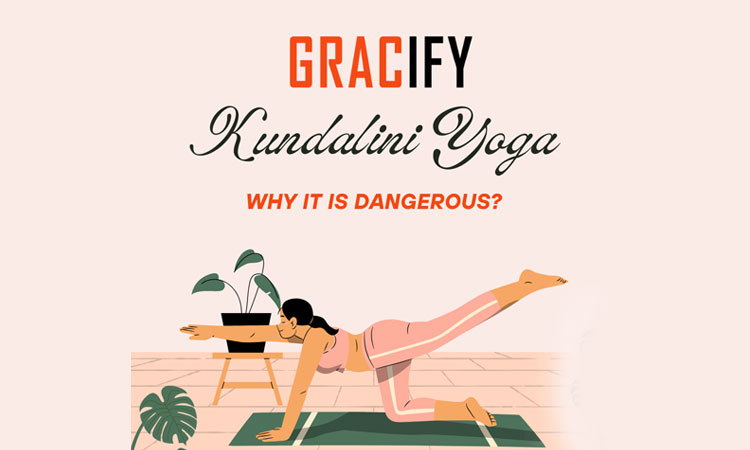
Why is Kundalini Yoga dangerous?
Why is Kundalini Yoga dangerous? A few people think about it but let’s try to see what is the reality behind it. In short, the major reason behind this is that Kundalini Yoga focuses on efforts to awaken the dormant energy at the base of the spine.
In this treasure of information, we will provide you with the details of Why is Kundalini Yoga dangerous, its benefits, potential risks, poses, and resources to deepen your practice. It does not matter whether you are interested in knowing its dangerous aspects or want to get knowledge regarding its instructor training, we will provide you with sufficient information.
So, let’s move towards Why is Kundalini Yoga dangerous:
What Is Kundalini Yoga?
First of all, we should to know what is kundalini yoga. It is the most ancient form of yoga that is actually introduced by Indians. It was very popular in Indian spiritual traditions and typically known as Tantric yoga.
It is said that this energy helped us to get a better understanding of ourselves and the universe. Once you will achieve the goal you can harmonize your physical body and your spiritual consciousness.
It can broaden your view to observe and understand nature that is the basic purpose of human life. The practice of Kundalini yoga deals with various steps that are designed very carefully. It includes repetitive movements (kriyas), controlled breathing (pranayama), chanting (mantras), and meditation to achieve balance. It is practiced in different sessions to enhance vitality.
Kundalini Yoga Benefits
1. Mental Stress Reduction
A crucial part of kundalini yoga is meditation as well as some breathing exercises that improve our concentration and releasing stress. It creates the ability to observe and understand the different daily challenges in a better way which leads to a calm of mind. You will get hold of your emotions which is required for proper decisions.
2. Physical Wellness
When we are moving forward from the breathing control practices then the next important step is the kriyas and asanas in kundalini yoga. These are actually the practice of physical movements again and again that improve the flexibility and elasticity of our body.
It is also helpful in maintaining blood circulation and boost up physical strength and energy. It promotes better lung functionality due to breathing exercises and enhances the oxygen and blood flow in all parts of the body in a well-balanced manner.
3. Emotional Healing
As we discussed earlier different kinds of mantras are chanted in various steps of kundalini yoga that are normally related to the Sanskrit language. Chanting mantras and meditating on the chakras helps to lead the greater physical health, emotional stability, and spiritual awakening.
Chakras are basically energy centers that are located on different points of the body and classified into seven points. It promotes emotional control and self-acceptance. Many kundalini yoga practitioners feel lighter, relaxed, happier and more connected to their inner consciousness even after a single session.
4. Spiritual Awakening
After Awakening the energy with kundalini yoga, you will be able to achieve a stronger and deeper connection to your spirituality, which leads to heightened intuitive power and a sense of purpose.
5. Managing High Blood Pressure
As we all know kundalini yoga promotes breathing exercises through which we can get control of our anger, emotions and quick responses. It produces a sense of relaxation and meditation that broadens our vision and thoughts.
It is also helpful in the balance of hormones which improves cardiovascular activities. So, we can say that it is very beneficial for those individuals who want to manage their blood pressure. This is one of the biggest benefit of kundalini yoga benefits and a number of people use it for managing blood pressure.
Kundalini yoga for high blood pressure
In this age of competition, the problems of high blood pressure, hypertension, and depression increase rapidly which can lead to severe health issues if left unmanaged. We find kundalini yoga very effective in overcoming these issues and several people use kundalini yoga for high blood pressure. It provides a natural therapy for lowering blood pressure.
1. Breathing Techniques
Pranayama is the crucial step of kundalini yoga. It is actually based on remarkable breathing techniques and plays a vital role in regulating blood pressure. Long deep breathing overcomes the release of stress hormones which is the basic technique to lower high blood pressure. On the other hand, alternate nostril breathing improves the working of the nervous system which is good for the health of our heart.
2. Stress Management
Stress is a very common problem these days which leads to various psychological issues. It also creates many serious physical problems. Stress is basically a significant contributor to hypertension, anxiety and depression. The deep meditations in kundalini yoga help to decrease cortisol levels which is very effective in eradicating these problems.
Example Practice: Sukhasana with Pranayama
Sukhasana is actually the name of the easy and simple pose of sitting and pranayama deals with deep breathing. When both things are practiced together, we find them awesome for physical, mental and emotional health. Sit cross-legged, place your hands on your knees, and close your eyes. Inhale deeply for four counts, hold for four counts, and exhale for four counts. Repeat for 5–10 minutes.
Why Is Kundalini Yoga Dangerous?
Let’s discuss some facts in detail regarding Why is Kundalini Yoga dangerous.
1. Intense Energy Awakening
As we already discussed the basic goal of kundalini yoga is to unlock the dormant energy that resides at the base of kundalini. Here we just want to inform you that this awakening needs proper guidance because its disbalanced awakening can lead to some serious problems.
2. Emotional Overload
If you have to practice the kundalini yoga without proper guidance and preparation, you can face overwhelming of emotions that will be difficult to explain. This pressure of intense emotions will be challenging to process.
3. Physical Strain
As we already know kundalini yoga relates to the kriyas of different steps. Kriyas is basically the practice of something again and again. That is not only the physical practice but it also involves the practice of breathing techniques. Sometimes various kriyas relate to the rigorous and harsh movements that cause strain on your body. You will be exhausted especially if you have any pre-existing health conditions.
How to Practice safely:
Here are some important and easy precautions that you have to keep in mind while practicing kundalini yoga:
Firstly, you have to choose certified instructors for the training of kundalini yoga.
Secondly, you must have to practice gradually and slowly according to your physical limits. Do not pressurize your body and mind.
Last but not least if you have any health concerns, you must consult your doctor before beginning your training.
Kundalini Yoga Poses
Kundalini yoga always involves sequences of kundalini yoga poses. This yoga does not emphasize the individual pose. Several foundational Asanas offered adequate training.
Easy pose (Sukhasana)
Usually, this pose is considered to be the easiest pose of kundalini yoga. It aligns the spine and opens the hips.
Cobra Pose (Bhujangasana)
Strengthening spine that helps to move the energy in the lower chakras. It generates flexibility and prepares our body for stretchy movements.
Archer Pose (Virabhadrasana Variation)
It is a very important pose to stimulate the heart chakras and improve focus and shoulder flexibility. This posture makes our legs strong and improves our determination.
Example Sequence Kundalini Yoga Poses
- The beginners initiate their practice with Sukhasana, focusing on breathing techniques.
- After sukhasana, moves towards the Cobra Pose to unlock the hidden energy.
- The unique arm movements in Archer Pose not only empower the body but also help to build confidence.
- In the practice of each pose, there are some specific breathing patterns and mantras to make them highly effective.
Kundalini Yoga Books
For Kundalini yoga lovers and practitioners who want to gain proper knowledge and a deeper understanding, there are some notable Kundalini yoga books that present adequate information.
Here are some valuable suggestions for kundalini yoga books:
“The Kundalini Yoga Experience” by Guru Dharam Singh Khalsa and Darryl O’Keeffe
A perfect choice for beginners as the book provides the basics of yoga. It makes us aware of its benefits and dangers.
“Kundalini Yoga: Unlocking the Secrets to Happiness, Love, and Miracles” by Kathryn McCusker
This guide provides a treasure of information regards spiritual growth and the role of consciousness in the better understanding of our inner selves.
“Wheels of Life” by Anodea Judith
This book is not typically about kundalini yoga. It actually provides information about chakra theory which is a crucial part of kundalini yoga.
Kundalini Yoga Instructor Training
If you want to become a successful and certified Kundalini yoga instructor, you must first be an expert in each and every pose. You should also have proper knowledge of mantras to maximize the effect. After expertise yourself, you will be able to guide the others sufficiently.
Components of Kundalini Yoga Instructor Training:
Theory and Philosophy
First and foremost, the need is to know about its history, discovery and spiritual context. Then the next priority is the knowledge of the chakra system that is an important part of kundalini yoga.
Practical Training
Get expertise in all the poses and have the proper information of kriyas and breath-controlling techniques. You also must be well aware of meditation.
Teaching Skills
You ought to know how to manage the whole training session and guide your students in safe and sound way.
Is Kundalini Yoga Safe for Managing Health Conditions?
Kundalini yoga’s breathing exercises and meditative movement can be a genuinely useful complementary practice for many people, but it is not a substitute for medical treatment. If you’re managing a diagnosed condition such as high blood pressure, anxiety, or depression, don’t stop or adjust any medication or treatment plan based on a yoga practice alone. Speak to your GP or a qualified healthcare professional first, especially if you’re new to the more intense breathing techniques (such as Breath of Fire) or the rapid, repetitive movements some Kundalini sequences involve. These have been reported to trigger dizziness, hyperventilation, or elevated blood pressure in a small number of practitioners.
If you have a cardiovascular condition, are pregnant, have a history of seizures, or have any diagnosed mental health condition, it’s worth discussing Kundalini yoga specifically with your doctor before starting. Ideally, learn it in person from an experienced, certified teacher rather than from a video alone, so they can adapt the pace and intensity of the breathwork to you.
Frequently Asked Questions
Can Kundalini yoga replace medication for anxiety or blood pressure?
No. It may help some people manage stress and support their overall wellbeing alongside their treatment, but it should never replace prescribed medication or medical advice. Always consult your doctor before making any changes to a treatment plan.
Is Kundalini yoga safe for beginners?
Most beginners can practise safely by starting slowly, choosing gentler classes, and learning the breathing techniques from a certified teacher rather than attempting advanced sequences from videos alone.
Who should avoid intense Kundalini breathing exercises?
Anyone who is pregnant, has a history of seizures, has a cardiovascular condition, or has a diagnosed mental health condition should check with their doctor. This applies before trying rapid breathing techniques like Breath of Fire.
Conclusion
In short, we can say that kundalini yoga is the best way to get mental, physical, and spiritual benefits. It is not only helpful to maintain your physical fitness but also a source of mental and spiritual health. It overcomes the dangers of psychological issues like anxiety and depression. It regulates the blood pressure and promotes the intuitive spirits. It activates the dormant energy that is necessary to understand our purpose of existence. It creates the habit of observation and meditation which is helpful in the betterment of living.
When you have to practice Kundalini yoga under proper guidance, you will incredibly start your journey of self-discovery and holistic wellness. You will start to find the secrets of the universe that produce the real discipline in our lives.
Share your thoughts in our comments section regarding Why is Kundalini Yoga dangerous.
Yoga
Best Non-Slip Yoga Mats (UK): What to Look For
Slipping mid-pose ruins a practice. Here’s what actually makes a yoga mat grippy, wet or dry, and how to find the right one for you.
A mat that slips isn’t just annoying — it’s how wrists, ankles and lower backs get hurt mid-pose. If you’ve felt your hands sliding apart in Downward Dog or your feet drifting in Warrior poses, the mat is very often the actual problem, not your form.
Why Some Mats Slip and Others Don’t
Grip comes from two separate things: surface texture (physical grooves or a raised pattern) and surface tack (a slightly sticky quality some materials naturally have). Cheaper mats often rely on texture alone, which works fine dry but can fail completely once hands or feet start sweating — texture channels sweat away initially, but once it’s saturated, you’re essentially standing on a thin film of moisture. Materials with natural tack, like rubber, tend to hold grip better precisely because they don’t depend purely on channelling moisture away.
What Actually Improves Grip
- Natural or synthetic rubber base — consistently the best-performing material for both dry and damp grip.
- A closed-cell top layer that resists soaking up sweat, keeping the surface drier for longer during a session.
- Reverse-engineered texture (raised patterns rather than pressed grooves) tends to outperform basic embossed patterns.
- A slightly worn-in mat — brand-new mats sometimes have a factory residue that actually reduces grip until washed once or twice.
Quick Fixes If You Already Own a Slippery Mat
Before buying a replacement, it’s worth trying a proper wash — factory coatings are a surprisingly common cause of poor grip on otherwise decent mats. Our dedicated guide to fixing a slippery yoga mat covers this and a few other genuine fixes before you spend money on a new one.
Grip Needs Change by Practice Style
If you practise hot yoga or sweat heavily, grip matters even more than usual — our guide to mats for hot yoga and Bikram goes deeper into wet-specific grip. If sweaty palms specifically (rather than the whole room being hot) are your issue, our mats for sweaty hands and feet guide is the more targeted read.
Finding the Right Grippy Mat for Your Budget
Good grip doesn’t automatically mean an expensive mat — some genuinely excellent grip textures exist at every price point, and pricier mats sometimes prioritise cushioning or eco-materials over pure traction. Our Yoga Mat Finder tool weighs grip alongside your budget and practice style, rather than assuming the most expensive option is automatically the grippiest.
How to Judge Grip Before You Commit
Grip is difficult to assess from a product photo, so the useful signals are indirect. Weight is one of the most reliable: rubber mats with genuine tack are heavy, typically 2–3kg for a 4–5mm mat, and a suspiciously light “rubber” mat is usually a thin rubber layer over foam. Listed material order matters too — “PVC with rubber coating” behaves like PVC, not like rubber.
Reviews are more informative when you filter them for the specific failure you care about. Search the review text for “sweat”, “slippery” and “Downward Dog” rather than reading the average score, because a mat can be well-reviewed for cushioning and still fail the only test that matters to you. Finally, check the returns window: buying from a retailer that accepts returns on an unrolled mat is the closest thing to trying before you buy, since grip on many rubber mats improves noticeably over the first week of use anyway.
Frequently Asked Questions
Which material grips best when wet?
Natural rubber, and mats with an open-cell polyurethane top layer, which absorbs moisture rather than letting it sit on the surface.
Why is my new mat slippery?
Many rubber mats have a factory residue that takes a week or two of use, plus a wipe-down, to wear off. Persistent slipperiness after that usually means the material simply isn’t grippy.
Does a thicker mat grip better?
No — thickness affects cushioning, not grip, and very thick mats can actually feel less stable in balancing poses.
Yoga
10-Minute Morning Yoga Routine for Beginners
A simple, effective 10-minute morning yoga sequence to build a daily habit, with modifications for total beginners.
Ten minutes is a genuinely realistic amount of time to find every morning, and it’s enough to make a real difference to how the rest of the day feels. This sequence needs no experience, no equipment beyond a mat, and works whether you’re stiff from sleep or just want a calmer start than scrolling your phone in bed.
Why Morning Specifically?
Practising before the day’s demands start means there’s no competing with a full inbox or a tired evening brain. It also tends to stick better as a habit — mornings are more routine and less likely to get cancelled by an unpredictable evening. That said, if mornings genuinely don’t work for your schedule, this same sequence works just as well at any time of day.
The 10-Minute Sequence
- 1 minute — Seated breathing. Sit comfortably, eyes closed, and simply notice your breath for a minute before moving. This settles the nervous system before you start.
- 2 minutes — Cat-Cow. On hands and knees, slowly alternate arching and rounding the spine with your breath. Excellent for waking up a stiff back after sleep.
- 2 minutes — Downward Dog to Forward Fold. Move slowly between the two, pedalling the feet to ease tight hamstrings and calves.
- 2 minutes — Low Lunge, both sides. Opens the hips, which tend to be tight first thing in the morning for most people.
- 2 minutes — Seated twist, both sides. Gentle spinal rotation to finish, which many people find genuinely energising.
- 1 minute — Standing or seated, a few deep breaths before starting the day.
If you’re brand new to any of these poses, our complete beginner’s guide to home yoga explains the basics in more depth, including what a wider weekly structure around a routine like this can look like.
Making It a Habit That Actually Sticks
The single biggest factor in whether a morning routine survives past week one is friction — if your mat is rolled up in a cupboard, it’s one more excuse. Leaving it unrolled somewhere visible the night before removes that barrier almost entirely. It’s also worth accepting that some mornings will only get you through half the sequence, and that’s still worth doing rather than skipping entirely.
When Mornings Feel Too Rushed
If ten minutes genuinely isn’t available some days, the breathing and Cat-Cow alone (roughly 3 minutes) still deliver a meaningful chunk of the benefit. And if mornings consistently feel like the wrong time, a calming evening sequence — like the one in our guide to yoga for stress and anxiety — might suit your schedule better without losing the habit altogether.
Adapting the Routine to Your Body and Schedule
Ten minutes is a floor, not a ceiling. On a morning when you have twenty, the simplest expansion is to repeat the standing sequence on both sides a second time rather than adding unfamiliar poses — repetition is where the movement patterns actually settle in. On a genuinely rushed morning, three rounds of Cat-Cow and a single Downward Dog held for five breaths is still a worthwhile practice and keeps the habit intact.
Bodies are also stiffest first thing, when spinal discs are at their most hydrated. That’s a good reason to be conservative with forward folds and deep twists in the first few minutes, and to keep knees generously bent in any standing fold. If you have a history of lower-back trouble, warm up with Cat-Cow and gentle standing movement before anything that loads the spine in flexion.
Frequently Asked Questions
Should I practise before or after breakfast?
Before, ideally, or at least an hour after eating. Twists and forward folds are uncomfortable on a full stomach.
Is ten minutes really enough to be worthwhile?
Yes, if it’s regular. A daily ten minutes produces more change over a month than a single long weekend session.
Do I need a mat for a short morning routine?
For standing work you can manage without one, but any kneeling or floor poses on a hard floor will be uncomfortable and less stable.
Yoga
Best Budget Yoga Mats (UK) Under £30
You don’t need to spend £80 for a good mat. What actually matters when choosing a budget yoga mat under £30 in the UK.
A good yoga mat doesn’t have to cost £80. Plenty of the design and material choices that make premium mats good are available well under £30 — you just need to know which trade-offs actually matter and which are marketing.
What You Give Up at a Lower Price — and What You Don’t
Budget mats most commonly cut costs on three things: thickness consistency (cheaper foam can compress unevenly over time), edge durability (corners fraying or peeling faster), and grip longevity (texture wearing smooth sooner than premium rubber). What you generally don’t lose at a lower price point is basic functionality — a £25 mat will support a beginner or casual practice perfectly well for a year or more of regular use.
Where to Actually Spend the Money
If your budget is tight, prioritise grip over thickness or extra length — a mat that slips is far more likely to put you off practising than one that’s slightly thin. NBR and EVA foam mats tend to offer the best grip-for-price ratio in the budget bracket; PVC mats are usually cheapest but often the least grippy underfoot. Our material comparison guide breaks down exactly how these perform against each other.
Signs a Cheap Mat Is Actually a False Economy
- No grip texture at all, or a texture that’s purely cosmetic
- Extremely thin (under 3mm) with no cushioning — hard on wrists and knees
- No indication of the base material anywhere in the listing — often a sign of inconsistent manufacturing batches
A mat that needs replacing after two months because it’s peeling or unusable isn’t actually cheaper than a £35 mat that lasts three years.
Budget Doesn’t Mean Compromising on Health
If chemical smell or off-gassing is a concern, it’s worth checking for certifications like OEKO-TEX even on budget mats — several affordable options carry them. Our piece on which brands are worth trusting is a useful cross-check regardless of price point.
Building Up From a Budget Mat
A budget mat is a genuinely sensible starting point if you’re still working out how often you’ll actually practise — there’s little point spending £80 on a mat before you know yoga is a habit that sticks. Our beginner’s guide to starting yoga at home covers what else is worth prioritising early on, and once you know your practice style and preferences, our Yoga Mat Finder tool can help you decide whether it’s worth upgrading, and to what.
What a Sub-£30 Mat Should Still Get Right
A budget price explains a shorter lifespan and a plainer finish. It does not excuse a mat that slides on the floor, sheds material onto your hands, or arrives with a chemical smell that hasn’t faded after a fortnight of airing. Those are signs of poor manufacturing rather than sensible cost-cutting, and they’re worth returning.
At this price the things to insist on are a stable underside that grips the floor, a thickness of at least 4mm so knees and wrists aren’t pressed into a hard surface, and dimensions that actually fit you — a 173cm mat is short for anyone over about 5’9″, and lying down in Savasana with your head or heels on the floor is a daily irritation. Everything else, including branding, carry straps and decorative prints, is optional. If a mat gets those three basics right, it will comfortably see you through the first year of practice.
Frequently Asked Questions
Is a cheap yoga mat worth buying at all?
For beginners, yes. A £20–£30 mat is enough to establish whether you’ll practise regularly, and by the time it wears out you’ll know exactly what you want from a replacement.
How long will a budget mat last?
With two or three sessions a week, typically around a year before the surface starts flaking or compressing permanently underfoot.
What’s the main difference from a £60 mat?
Durability and grip when damp, mostly. Premium mats hold their cushioning and their tack for years rather than months.
-
Yoga2 years ago
Natural Rubber vs Cork Yoga Mat – which is Better?
-
Yoga2 years ago
TPE vs EVA Yoga Mat & NBR vs PVC Yoga Mat
-
Yoga2 years ago
How to Roll Up a Yoga Mat? For Long Lasting
-
Yoga2 years ago
Pilates Mat vs Yoga Mat
-
Yoga2 years ago
Which is the Best Yoga Mat Thickness?
-
Yoga2 years ago
Which Material is Best for Yoga Mat
-
Yoga2 years ago
How to Clean / Wash Yoga Mat
-
Yoga2 years ago
How to Become a Yoga Instructor UK
Natural Rubber vs Cork Yoga Mat – which is Better?
TPE vs EVA Yoga Mat & NBR vs PVC Yoga Mat
How to Roll Up a Yoga Mat? For Long Lasting
Pilates Mat vs Yoga Mat
Which is the Best Yoga Mat Thickness?
Which Material is Best for Yoga Mat
How to Clean / Wash Yoga Mat
How to Become a Yoga Instructor UK