UK Yoga Mat Buying Guide 2026
UK Yoga Mat Buying Guide 2026
Last reviewed: August 2026
A practical, no-nonsense reference for choosing a yoga mat in the UK — by material, thickness, and use case. Built from our own in-depth guides on each of these topics, consolidated into one page so you don’t have to read four articles to get a straight answer.
Material: what it actually changes
| Material | Typical UK Price | Best For | Trade-off |
|---|---|---|---|
| PVC | Budget (under £20–£25) | Beginners, occasional use | Least eco-friendly, can feel slippery when sweaty |
| TPE | Mid-range (£20–£40) | Regular practice, general use | Good balance of grip, cushioning and price |
| Natural Rubber | Premium (£40–£70+) | Hot yoga, sweaty hands, daily practice | Heavier, has a natural rubber smell at first, not for latex allergies |
| Cork | Premium (£45–£80+) | Grip that improves with sweat, eco-conscious buyers | Firmer underfoot, higher price |
Thickness: matched to how you actually practice
| Use Case | Recommended Thickness | Why |
|---|---|---|
| Travel | 2–3mm | Packs small, light enough to carry |
| Hot Yoga / Bikram | 3–5mm | Thinner mats stay more stable when wet with sweat |
| General / Everyday Practice | 4–6mm | The standard balance of cushioning and stability |
| Joint Support (knees, wrists, hips) | 7–12mm | Extra cushioning reduces pressure on joints during floor poses |
These are starting points, not hard rules — body weight, flooring, and personal preference all matter too. If you’re unsure, our Yoga Mat Finder below asks about your specific situation and gives a direct recommendation.
Quick decision guide
New to yoga and not sure you’ll stick with it? Start with a mid-range TPE mat — better grip and durability than PVC without paying premium prices for a habit you’re still building.
Practising most days, or doing hot yoga? Natural rubber or cork mats handle sweat and repeated use far better, and tend to last years rather than months.
Dealing with knee or wrist discomfort? Prioritise thickness (7mm+) over material — cushioning matters more than surface type for joint comfort.
Travelling or practising in small spaces? A thin (2–3mm), foldable mat beats a thick one you’ll never actually pack.
Want a specific recommendation instead?
Answer four quick questions about your age, weight, budget, and how you practice, and our free tool matches you to a mat type and thickness directly.
Sources and further reading
This guide draws on Gracify’s more detailed articles on choosing a mat material, mat thickness, and mat sizing, each of which goes into more depth on its specific topic.


Yoga Mat for Hardwood Floors UK: The Complete Grip and Floor-Care Guide

Why Your Yoga Mat Gets Slippery When You Sweat (And How to Actually Fix It)

How to Get Rid of Yoga Mat Smell (Without Ruining Your Mat)

How to Clean a Yoga Mat: The Complete UK Guide (Every Material, Every Mistake, Every Fix)

The Real Way to Find Genuine Yoga Mat Deals in the UK (Not Just a List of Prices That’ll Be Wrong Next Week)

Best Extra Thick Yoga Mat UK

Best Yoga Retreats in the UK for 2026

Prenatal Yoga: Safe Poses and Best Mats for Pregnancy (UK)

Yoga vs Running: Which Is Better for Your Health?

Yoga for Weight Loss: Does It Actually Work?
Natural Rubber vs Cork Yoga Mat – which is Better?

TPE vs EVA Yoga Mat & NBR vs PVC Yoga Mat
How to Roll Up a Yoga Mat? For Long Lasting
Pilates Mat vs Yoga Mat
Which is the Best Yoga Mat Thickness?
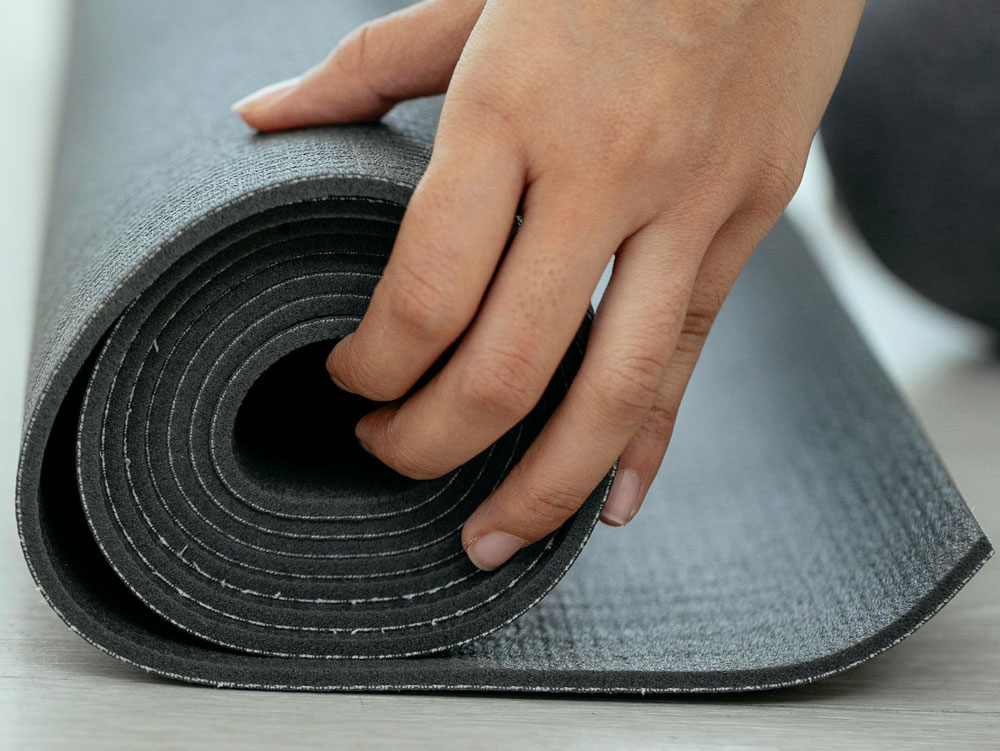
Which Material is Best for Yoga Mat
How to Clean / Wash Yoga Mat

How to Become a Yoga Instructor UK
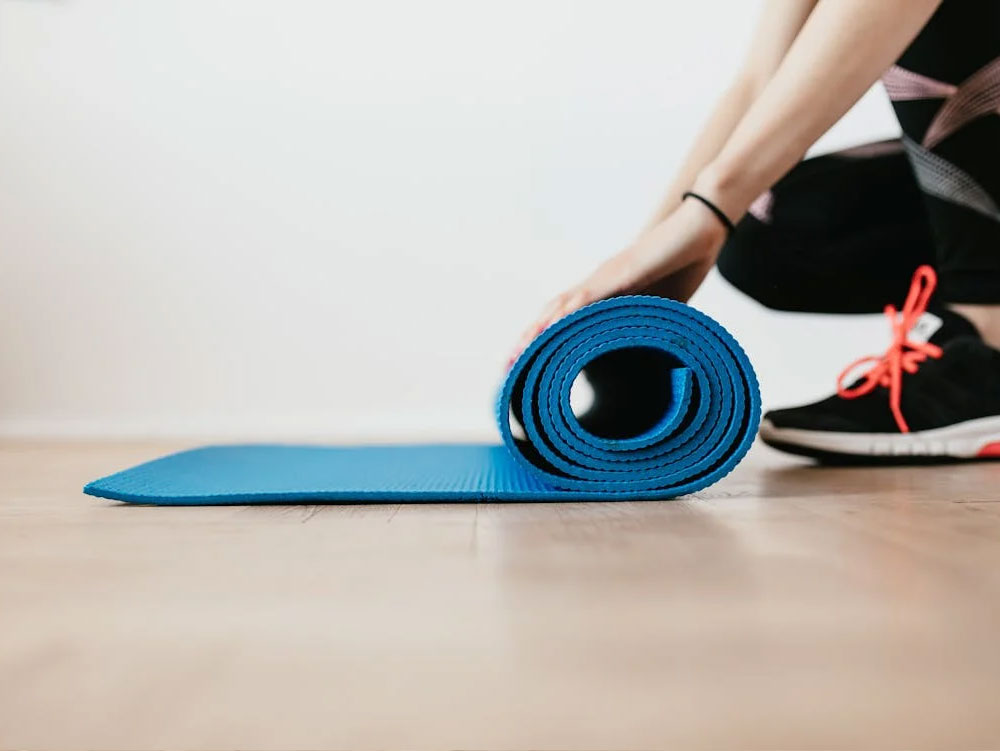
Which is the Best Yoga Mat Size?
