Health

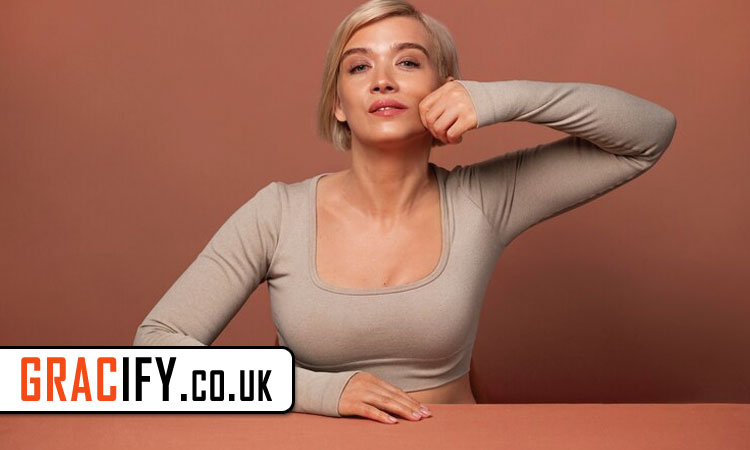
Face Yoga vs. Botox: A Guide to Anti-Aging Techniques

Author avatar

Published

on

Face Yoga vs. Botox
Disclosure: This article may contain affiliate links. Gracify may earn a small commission at no extra cost to you if you make a purchase through these links. We only recommend products we genuinely believe in.

Face Yoga vs. Botox: All of us, want to be young with the age which is not easy to achieve. People do a lot of activities such as a perfect diet, regular exercises like face yoga, consumption of different creams and serums, and even advanced medical treatments like Botox injections.


Face yoga & Botox injections are gaining popularity these days to prevent aging factors. Today we will discuss a detailed comparison between face yoga vs Botox along with their advantages and disadvantages.

So let’s move on to exploring

What is Face Yoga?

It is a bunch of exercises from yoga that are designed to stimulate the facial muscles by increasing blood circulation and enhancing collagen production to prevent wrinkles and aging factors from our face. This is a natural way to maintain the aging factor instead of different surgeries injections or other types of medical dangerous treatments.


What is Botox?

Botox is an advanced medical treatment in which a doctor injects botulinum toxin into specific parts of our face to prevent aging factors. Through this process, we relax the muscles for a specific time (3 to 6 months) causing wrinkles. In this way, we can delay our aging factors. Botox is an FDA-approved medical procedure and maybe this will be a reason for its popularity among people to temporarily reduce aging or wrinkles.


Is Face Yoga Really Effective?

Nowadays, Yoga Expert’s debates are going on the impact of face yoga on aging. A few studies show that face yoga helps to tone up the facial muscles and improve the elasticity of skin but scientific research is limited on this matter.


SEE ALSO  How to Use Yoga Blocks?

Studies

In 2018, a study was published by the journal JAMA Dermatology that shows regular face yoga exercises for 4 months have a great impact like fuller cheeks and a younger appearance. All the participants performed face yoga daily for 30 minutes for over 4 months and most of them were satisfied with the results. But the bad thing is the study was small and tested on a small number of people that’s why it is difficult to finalize the same results for a wider population.


As per face yoga lovers, face yoga not only strengthens the muscles but also increases blood circulation as well as promotes collagen production. This thing will not only reduce the impact of aging but also enhance your appearance. So,


Does Face Yoga Actually Work?

The answer will be Yes, but keep in mind, that you can achieve these results slowly and gradually. As compared to Botox medical treatment. You can see the changes in your face within a few days through this treatment.


Face yoga is an option for those who are searching for a natural process and long-term results. It can help to reduce wrinkles or skin sagging but keep in mind, it will not work for severe aging. Secondly, you will not get results within a few couple of days as in Botox as well and you need to be consistent in your exercises in face yoga.


What is the Best Time to Do Face Yoga?

The answer to this question depends on your routine or lifestyle but I think the best time for face yoga is in the early morning or before going to bed.


Morning:

As we are normally fresh in the morning so practicing at this time can help to promote blog circulation in facial muscles a bit quicker and you will feel fresh and energized during the day ahead.

SEE ALSO  Which Material is Best for Yoga Mat


Before Bed:

After the hectic routine of a full day, practicing face yoga at night relaxes our facial tension and we get a healthier sleep at night.


After Skincare Routine:

A few people also prefer to perform the exercise after using their skin care products. That’s also a good option because, in this way, your skincare products can easily penetrate your skin more deeply and easily.


So, the best time depends on your lifestyle or routine. You should perform face yoga at least 20-30 minutes a day and at least 4-5 days a week.


Can Face Yoga Make You Look Younger?

Yes, it will help a lot to look younger for a limited time. And it works by improving blood circulation and collagen in facial muscles. It’s a slow long-term and gradual process.


Face Yoga Pros and Cons


Pros of Face Yoga:

Reduced Fine Lines:

Fine lines or small wrinkles can be reduced through face yoga regularly.


Improved Muscle & its Elasticity:

As we improve the blood circulation in our face it strengthens our facial muscles and improves elasticity which reduces the muscle’s sagging and as a result, we look younger than our age.


Natural Approach:

It’s a 100% natural process that we use to improve our appearance. We are not going to take any medical procedure with chemicals and surgical equipment.


Cost-Effective:

We are not going to use any expensive medical treatment so it’s a cost-effective process. You just have to invest your time and consistency unlike Botox or cosmetic surgery.


Cons of Face Yoga:

Time-Consuming:

As it’s a natural process, it takes time to show their results. So, we need to have patience.

Limited Scientific Evidence:

The scientific research and studies are limited in this case. A few studies are available.


SEE ALSO  Is the daily screen time healthy for kids?

Results Vary:

The results of Face yoga may vary depending on the routine lifestyle and the deficiencies of our body. It might be possible that someone requires more time to show results due to severe sagging or wrinkles.


Difference Between Face Yoga and Botox

In short words, face yoga is a natural process to reduce wrinkles and aging factors from our face, a long-term and time-consuming process and the results can also vary for all of us whereas if I talk about Botox, it’s a quick medical treatment in which dermatologist use different chemicals needles and surgical equipment during the process that can be harmful.


You can see results within a few couple of days and for a limited time.

Botox Injection Benefits


Immediate Results:

As I said earlier in the article that is a medical procedure so the results are quicker than the natural process.


Effective for Deep Wrinkles:

Face yoga is not very effective for deep wrinkles. Severe wrinkles can be moderated by the Botox process.


Temporary Commitment:

The results are for a limited time of 3 to 6 months but the good thing is you can repeat the process which gives us control over the treatment.


Conclusion: Which is Right for You?

The simplest answer to this question is it’s your choice. If you can be consistent and want long-term natural results you can move towards face yoga otherwise Botox option is also available for you.


Secondly, if you have deep wrinkles then I think Botox is the only option for you because face yoga will not help a lot in case of deep wrinkles.


So, both techniques have their own advantages and disadvantages. We have compiled them all and mentioned them above in the article Face Yoga vs. Botox. You can read them and choose an option that fits for you.

Continue Reading
Click to comment

Leave a Reply

Your email address will not be published. Required fields are marked *

Health

Is the daily screen time healthy for kids?

Author avatar

Published

on

By

Is the daily screen time healthy for kids?

Managing screen time of kids is not easy as we think. It is a challenging task. Age from 5-10 years is a growing age; children are learning skills like (reading, writing, critical thinking, communication, teamwork, cooperation, empathy) and (self-regulation, confidence, and resilience.

While the excess use of screen can impact all this and child may be diverted more to screens and his ability to recognize all his abilities may affect as well with his physical health. But they can use screens for learning and creativity. A scheduled way can be a solution to this; they should be allowed mobile phones but no more than 1–2 hours of recreational screen time per day.

This would be the time they could use gadgets to use technology for a beneficial purpose like seeing art and craft videos or knowing the background story of any poem. This would be called as entertainment based screentime but make sure to be consistent in regulating this schedule and don’t let them watch unnecessary stuff.


Impact of long-term screen time

24/7 screen time produces blue lights having UV radiations which penetrates into the cells of brain, clogging the thought pattern. Diseases like autism and ADHD are common in children nowadays due to attention span and perfection obsession. Along with that, children who are surrounded by gadgets are typically seen agressive and irritable in nature.

They lack social cognitive empathy. Numbness is their new cool. Moreover, a lot of screen time can lead to unrealistic expectations from the world which distorts the healthy mindset. Lack of brain storming; Addiction of youtube shots, instagrams reels and tiktok video altogether are collapsing the thinking capability of children. Hence retarded growth of mind ultimately affects the physical health of child. Healthy mind is a healthy body.

SEE ALSO  Are Leggings Still in Style in 2024?


Which age is perfect for mobile introduction to children?

As a parent, it is a matter of responsibility to decide when and how to introduce mobile phones to their children. Expert says mobile phones should not be brought into contact with children of age from 0-5 years as this is the learning age; child is growing and developing. If you introduce mobile phones to their routine, they will start dwelling on them.

Children aged 5-15 years should be made known to mobile phones but just for educational purposes and study related information and parents should monitor properly what they are exploring and the phone provided to them should not be personal but their own and the screen time should be fixed otherwise it would disturb their routine. Children of age from 15 to 20 years should be provided with personal phones with appropriate apps mainly for safety and communication purposes.


Is drawing or coloring activities help us?

Yes, activities like drawing and coloring pages improve children’s attention span. When a child is about to draw, he makes some decisions in his mind related to that drawing or makes a sketch in his head in the imaginative world of his mind. Or if he is copying the image, he becomes conscious and is fully involved in his drawing. Drawing or coloring forces a child to sit calmly and focus on drawing lines, choosing colors of perfect shades.

This helps to develop the ability of decision making in them. Drawing and coloring activities are one of the most important activities to improve the motor skills of a child. A child understands how to distinguish between colors, hold a pencil, and a bush. When a child is drawing, he pays proper attention and is thinking actively.

SEE ALSO  Which Material is Best for Yoga Mat

This process is mind-engaging, when child is about to draw his brain directs his hand to pick a color, then his brain process the sequence of steps involved in drawing, that’s how mind is occupied while performing any activity, thus improving the creativity and imaginative skills of a child. On completing a drawing, a child feels a sense of accomplishment: the ability to make you feel more confident and valued.

Continue Reading

Health

How to Deal with Continues Child’s demand for Gadgets?

Author avatar

Published

on

By

How to Deal with Continues Child's demand for Gadgets?

In today’s advanced and busy world where apps and Ai have overcome, children want instant gratification. They demand novelty. However, parents can manage this behavior by developing a healthy routine or by educating their children on how to enjoy simple and fun activities for a longer period.

Parents need to teach their children to play with the same toys by creating new activities for them, suppose combing a doll’s hair, cooking that doll with kitchen sets or changing her dress. Creating a daily routine could be profitable.

A child would imagine her day and activities he will be going to perform next day, will help him become more disciplined and organized person.


Some DIY physical activities to engage kids

There are various activities parents can opt to restrain their children from using digital gadgets which leads to devastating effects on a child’s health. These activities need to be interesting so that the child may have the curiosity to discover them.

Try to find the easiest and simpler ones, like stacking the cushions of bed and jump on them, arranging the same color toys in same section, arranging the night suits in the closet, let them help you in kitchen and allow them to do experiments like kneading the flour, cut fruits, provide them charts and colors and permit them paint freely so they be creative but you can sometimes question them to draw specific objects like an apple so that their motor skills get improved and they be more focused.


Your biggest struggle as a parent to deal with it?

In the modern era of technology, the problem is not only to remove screens from children’s hands but to teach them how to use it for benefit in a balanced way. Make sure to introduce productive and mindful tech use to your children, for instance encourage them to watch informative videos or the videos of currents situation from the beginning instead of cartoons or short reels which urge them to demand something new and exciting after some times. But this could be challenging due to busy schedules and responsibilities.

SEE ALSO  Online Yoga Teacher Training Course

Parents just hand over screens to their children and do not check what kind of content they are watching. Moreover, children get emotionally attached to gadgets and start depending on them for their happiness and feel at ease when mobile phones are snatched from them, they become upset. It is also difficult to set boundaries once your child is addicted to such gadgets.


Has anyone tried replacing screen time?

Parents have discovered various ways to make their children involved in physical activities which guarantee creativity, responsibility and emotional development rather than frustration, anxiety, and stress which are caused by using screen gadgets. Introducing creative toys or activities rather than playful toys like puzzles, painting, drawing, and games which are more brain-engaging. S

uch games provoke them to be involved and investigate the imaginative ideas of mind. By getting engaged in such activities they would be less distracted.

Outdoor and physical plays prove healthier than just handing over mobile phones to them. Outdoor games involve muscle activity and energy; thus, a child is energetic all day while the other person who is just sitting and using a screen is unfit and dull. Family involvement verifies the optimal results.

Continue Reading

Health

Yoga vs Pilates vs Stretching: Ultimate Comparison

Author avatar

Published

on

By

Yoga vs Pilates vs Stretching
Disclosure: This article may contain affiliate links. Gracify may earn a small commission at no extra cost to you if you make a purchase through these links. We only recommend products we genuinely believe in.

Yoga vs Pilates vs Stretching: These are the top practices used by hundreds of thousands of people throughout the world to achieve results. All of them have their approaches and benefits. People who love fitness choose any one of them, according to their choices or tastes.


What is Yoga vs Pilates?


What is Yoga?

Yoga has been under practice for the past few centuries.

Yoga contains a huge variety of different styles or poses and all of them have different purposes for fitness and well-being. Most people prefer Yoga for physical health, flexibility, strength, and inner peace or spiritual well-being.


A Few Types of Yoga:


Hatha:

Hatha Yoga is a type of yoga that contains very basic yoga postures and breath-controlling exercises for better relaxation.


Vinyasa:

It is also known as flow yoga used for getting strength flexibility and dynamic movements of cardiovascular muscles with breathing.


Ashtanga:

Ashtanga Yoga is also a type of Yoga that is usually used to combine the mind, spirit, and body movements. It emphasizes strength and flexibility.


Yin:

Yin yoga is a name of stress releasing from deeper or connective tissue. It’s a slow meditation that targets our joints, and bones.


Bikram:

Bikram Yoga is well-known among people with another name “hot yoga,”. Hot Yoga detoxifies the body through their 26 certain postures and 2 breathing exercises. Yogis prefer Hot Yoga in a warm or heated room. humid environment to increase flexibility, and detoxification through sweating.


So, Yoga is used to enhance or improve the connection between our body and mind. Apart from that it is used to increase flexibility, and fitness and to release stress. People of any age can start yoga.


What is Pilates?

Joseph Pilates introduced Pilates in the early 20th century contains a series of exercises designated to improve posture that was initially used only for rehabilitation purposes, but with time it gained popularity among people and now it is widely used as an exercise for increasing strength and flexibility along with muscle development.


Key Principles of Pilates:

Concentration, Control, Centering, Precision, Breath, and Flow are the 6 six key fundamental principles of Pilates. So, let’s discuss each of them one by one below:


Centering:

Exercises contained in centering have a great impact on the abdominal, lower back, hips, and pelvic muscles.


Concentration:

As the name shows it belongs to the concentration between the mind and the body movement.


Control:

In simple words, controlled quality movements to prevent injuries.


Precision:

It contains exercises for precise concentration on the engagement of the right muscles.


Breathing:

It is used to improve focus to support the ribcage.


Flow:

Consistent smooth movements to improve strength, efficiency, and coordination.


The main purpose of practicing all the above exercises is to strengthen your physical body, increase flexibility, and transformation of your mind and body. To perform all the series of exercises, you can use the mat to avoid dust and the direct impact of weather.

SEE ALSO  Which Material is Best for Yoga Mat


Major Differences Between Yoga and Pilates


Yoga

Pilates

Deep Ancient Roots Modern Exercise System
Focus on physical movements with breath and meditation to achieve holistic well-being Focus on strength, stability, and controlled movement
No specific equipment just Yoga Mat Specialized equipment as Initially used for rehabilitation
Put attention on Flexibility and Stretching. Put attention on Flexibility, Strength, and Control
Emphasis on Mindfulness & Meditation Emphasis on physical precision


Benefits of Yoga vs Pilates


Benefits

Yoga

Pilates

Core Strength Develops through various poses Excellent for core-specific exercises
Flexibility Best for improving flexibility Less emphasis on flexibility, but improves
Stress Relief Focus on relaxation and stress reduction


Mental focus and relaxation
Injury Rehabilitation Focus on overall wellness Highly recommended for injury recovery
Posture Improvement Improves posture through various poses Strong emphasis


Pilates vs Yoga for Beginners


Pilates for Beginners

Pilates is a good choice for beginners, especially those searching for core strength and overall fitness. It is recommended to start from a very beginner level only with mat-based Pilates because it requires minimal equipment and puts maximum attention to fundamental movements.


Why Pilates for Beginners:

Let’s discuss Pilates benefits for beginners.

In Pilates, you will learn body alignment on the right angle at the very initial stage. This will help us to reduce the risk of injury during our journey. After taking control of the alignment a beginner will start to learn controlled movements to get maximum results for core strength for the specific parts of the body or muscles by slow and deliberate movements.


This thing will make you ready or eligible for the rest of Pilates exercise series to achieve fitness level. It will also boost your confidence in Pilates as a beginner.


Yoga for Beginners

A beginner has a huge variety of styles in Yoga to choose from at the initial stage as per requirements. It is recommended for a beginner to start from a polite style or poses for example Hatha Yoga or restorative yoga. In which a beginner will focus on base poses along with breath awareness.


Pros for Beginners:

Let’s take a look at some of the advantages of Yoga for a beginner.


Every person has their own choices and requirements for the things that he wants to achieve. For this, Yoga has a huge variety of styles or poses. Beginners can choose as per their needs and liking. As yoga is used for improving flexibility through stretching muscles a beginner can face difficulties at the initial stages as he will not have a flexible body to perform any style. That’s why a beginner should start with Hatha or Restorative poses.


Yoga is the name of alignment between your body and mind for releasing stress so it will put your attention towards breath control and mindfulness along with body movements. Apart from that a beginner has a large amount of options for yoga studios in which he can find an inclusive atmosphere that will make him feel comfortable.


Yoga vs. Pilates for Beginners: Which is Better?

Both exercises are excellent for achieving fitness goals. So, the answer to this question depends on your goals. Make a question for Yousef first, do you want to join exercises for core strength and to improve posture then Pilates will be a better choice for you.

Do you want to join exercise for increasing flexibility, and balance between your mind and body, and for relaxation or releasing stress then yoga is a more suitable option for you.


 Yoga vs Pilates for Seniors


Pilates for Seniors

Pilates is recommended for seniors because Pilates focuses on core strength and has a low-impact nature. It also focuses on controlled movements along with proper alignment which is really helpful for seniors to maintain their balance and mobility.


Benefits for Seniors:

Let’s take a look at some of the core advantages of Pilates for seniors. As I said earlier in the article Pilates focuses on core strength and controlled movements that are necessary for seniors to maintain balance and prevent falls.


A series of Pilates exercises are low impact and gentle for the joints which makes It more suitable for seniors and arthritis patients. Apart from that a consistent practice of Pilates makes the seniors mobile and flexible through this, they can easily perform their daily activities.


Yoga for Seniors

Yoga is also not a bad option for seniors due to its advantages, especially mobility and flexibility of the body but always try to choose only such poses that are gentle for joints.


Yoga Benefits for Seniors:

Most of the Yoga poses focus on the muscle’s flexibility as well as the reduction of stiffness that makes the body more mobile. During muscle flexibility, a senior yogi also achieves balance and stability of the body which is very crucial to reducing the chances of un-balancing conditions in seniors.


It is recommended to choose suitable styles or poses for seniors instead of intense poses. A senior can easily practice chair yoga as well as restorative yoga which will increase mobility and reduce muscle stiffness. By reducing stress, Yoga will also help seniors improve their mental health.


Yoga vs. Pilates for Seniors: Which is Better?

Both are good for seniors as they have significant benefits. But it depends on your body’s needs or personal preferences. A better option is to choose Pilates for those who have the need for core strength, posture along with mobility. On the other hand, yoga is ideal, especially for those seniors who are searching for flexibility, balancing body and mind, and relaxation.


Pilates vs Stretching


What is Stretching?

As the name shows it is used to stretch muscles or to increase the elasticity in muscles as well as to improve flexibility. Various techniques are used in Stretching for elasticity along with prevention of injuries.


Benefits of Stretching

Consistent practice of stretching can increase the elasticity of your muscles along with enhancement of flexibility. Through elasticity, we can reduce our muscle tension and stiffness and as a result, we reduce our stress levels.


It helps to keep in motion our all muscles which reduces the risk of different injuries. Lastly, it helps to improve posture as the stretching normally holds pressure on our tight muscles that majorly the cause of misalignment.


Pilates vs Stretching: Key Differences


Pilates

Stretching

Focus on Core Strength Focus on Lengthening Muscles
Aligned & Controlled Movements Generally Relaxation with Less Structuring


Yoga vs Stretching: Key Differences


Yoga

Stretching

Focus on Stretching with Balance & Breath Control Focus on Lengthening Muscles
Body and Mind Alignment for Inner Peace Specific Mental Focus


Best Mat for Yoga and Pilates


If we choose a mat with certain features, we can use it for Yoga and Pilates at the same time to ensure comfort and stability during exercise.


What to Look for in a Mat for Yoga & Pilates:

Thickness Level:

A mat with little thickness is a better choice for Pilates as it can easily provide cushioning. A mat should be at least 5-6mm thick for Pilates whereas if I talk about an ideal Yoga mat then the mat should be at least 3-4 mm thick for better balancing.


Better Material:

Natural Rubber or TPE material is an ideal option as this material mat will be eco-friendly, and have nice durability and grip. We require a good gripping mat for both practices Yoga and Pilates so we can prevent slipperiness.

If you already have a mat and want to remove its slipperiness you can read out our last article on how to fix a slippery yoga mat.


Preferred Size

The mat should be enough in height and width it can cover you during stretching or can support all kinds of movements.


Top Picks for Yoga and Pilates Mats:

Let’s take a look at some of the perfect options of yoga mats that can be used for Yoga and Pilates.


Manduka Pro Yoga Mat:

A big name in the market and well-known due to its durability and excellent cushioning. Manduka Pro Yoga Mat can be support for various exercises for Yoga and Pilates.


Liforme Yoga Mat:

Excellent grip along with alignment line make this yoga mat ideal for both practices.


Gaiam Essentials Thick Yoga Mat:

Gaiam Essentials Thick Yoga Mat is an ideal option for joint-sensitive persons. It can be used for Pilates as it’s a bit thicker than a normal mat as well as it’s a budget-friendly choice. A better option for cushioning and support.


Jade Yoga Mat:

An eco-friendly mat built with natural rubber material a good choice for gripping that makes it suitable for both yoga and Pilates.


Conclusion for Yoga vs Pilates vs Stretching

All these exercises mean Yoga vs Pilates vs Stretching are used for fitness and wellness and all of them have their advantages. In simple words, muscle strengthening and toning along with flexibility and relaxation belong to Pilates. Stretching is an ideal choice for muscle lengthening and flexibility along with injury prevention. Yoga is also an ideal choice for getting body and mind alignment, inner peace, relaxation, stress release, better posturing, and much more.


Ultimately, only the best option is that fix your problem by fitting into your lifestyle because all these are used for well-being and fitness.

Share your thoughts in our comments section concerning Yoga vs Pilates vs Stretching.

SEE ALSO  Guide to Best Gym Bag with Yoga Mat Holder
Continue Reading

Trending

Gracify is using affiliate links where required in the website. If you make a purchase through these them, gracify may receive a small commission at no extra cost to you. Copyright © 2026 Gracify.co.uk