Health
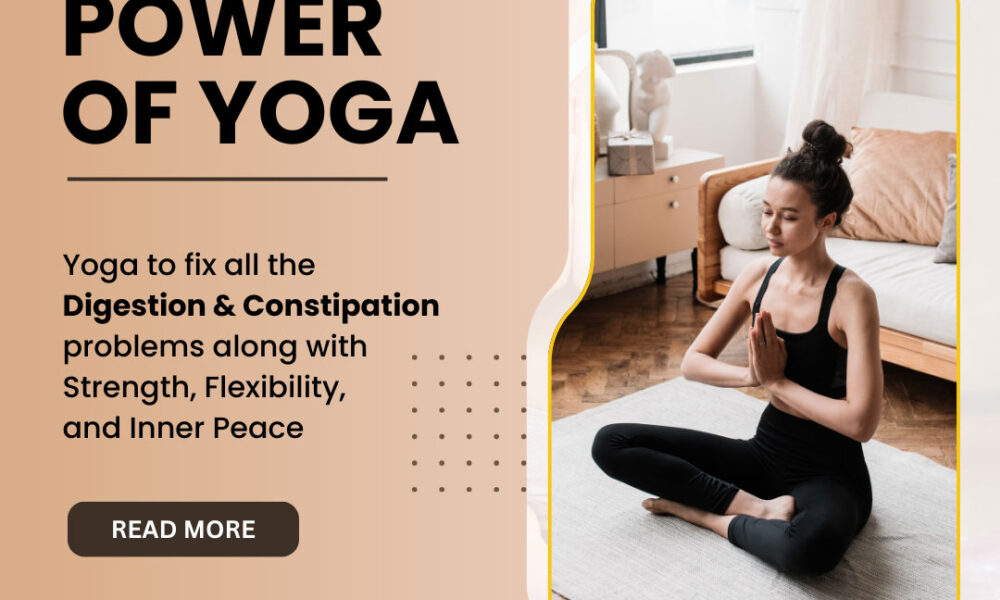
Does Yoga Help with Digestion?
Does Yoga Help with Digestion: Yoga has been practiced for several years due to its numerous physical and mental advantages. A few people use Yoga for inner peace and few of them want to get some physical advantages like digestion. Yoga has a great impact on our digestive system.
Regular Yoga does not only tone up the muscles of your specific body part but also stimulates its growth by improving blood circulation. For example, if you are practicing regular face yoga it will not only improve your sagging skin but also tone up the muscles and as a result, we can reduce our aging factor.
In the same way, practicing yoga regularly will strengthen your abdomen muscles and even stimulate the organs (including the stomach, liver, etc) of the digestive system.
Apart from that yoga is the best therapy against stress which is also a positive sign for digestion.
How Yoga Benefits Digestion
Blood Circulation:
All of us know that yoga exercises increase blood circulation in the body so in this way, we can increase blood flow in certain areas of our body. By this, digestive organs get the fresh oxygen that is necessary for organ development.
Reduced Stress:
Studies show that if you are under stress, your digestion can be affected by it. So, we can release our stress and relax through yoga and in this way, we also get a positive impact on over-digestion.
Digestive Organs:
Through different poses twists or types of bending, we can easily increase the blood circulation in abdominal muscles to improve their productivity or functionality. These poses increase blood flow and improve the efficiency of organs.
Does Yoga Help with Constipation?
Yes. As yoga has a great impact on abdominal muscles it can also fix constipation. Stress, dehydration junk food, or poor diet are mainly the cause of constipation.
How Yoga Helps Relieve Constipation
Digestive Tract:
If we can increase the blood flow of our digestive tract definitely, we can cure digestion or constipation issues and a good thing is we can do it with yoga because it increases the blood flow to tone up the muscles.
Promoting Relaxation:
Stress or dehydration is a common reason behind constipation if you are not eating junk food or a bad diet so yoga’s relaxation techniques can give us relief from it.
Increasing Circulation:
We can fix our constipation issue through yoga as yoga increases the blood circulation in our body. So the specific poses that have an impact on our abdominal area can reduce our constipation.
Which Yoga Is Best for Digestion?
Let’s take a look at some of the best yoga to treat the digestion or constipation issue:
Hatha Yoga:
Numerous exercises contain Hatha yoga which works with digestion. Hatha yoga belongs to breath control.
Vinyasa Yoga:
Moving from one style to another style in Vinyasa yoga, is a good option to improve blood circulation in our abdominal area and improve the functionality of the digestive system.
Yin Yoga:
Concentration on long-hold styles in Yin Yoga is also a good choice to stretch our connective tissues to get the required results.
Restorative Yoga:
Concentrate on deep stretching to release stress. We release our stress or anxiety which is highly beneficial for the digestive process.
Let’s discuss some of the best yoga poses regarding the question Does Yoga Help with Digestion?
Best Yoga Poses for Digestion
Seated Forward Bend (Paschimottanasana)
Stretching spine and abdominal organs in this yoga pose. Using this pose we improve our digestive organ’s functionality and get also relief from constipation.
How to do it: Simply stretch your legs and sit on them then bend your arms and your upper body towards your feet and try to hold your feet or ankles. Stay hold for a few minutes or breath in the same pose.
Wind-Relieving Pose (Pavanamuktasana)
You can easily guess the benefits of this pose by its name Wind Relieving Post that is releasing gas from our abdominal area.
How to do it: After lying down bend your knees towards your chest. Hold for a few seconds to minutes and do the same for the other knee.
Cat-Cow Pose (Marjaryasana-Bitilasana)
How to do it:
- Put your knees on the floor
- Bend your abdominal area down
- Lift-up your chest
- After a few seconds, move your abdominal area upwards
You will hold your knees on the floor after that you will start bending your lower back down and at the same time, you will lift the chest upwards, after a few couple of seconds move your lower back upwards when you are exhaling the breath.
Twisted Chair Pose (Parivrtta Utkatasana)
How to do it: To do this stand straight and relax on your feet and then start bending your knees as normally we are sitting in a chair after this process start turning your hands to prayer form along with it turn your upper body to a side and place your elbow to the opposite knee.
Supine Twist (Supta Matsyendrasana)
How to do it: After lying down on the floor expand your left arm to the left side and right arm to the right side then bend one of your knees and twist it on the other leg.
Cobra Pose (Bhujangasana)
How to do it: To do this lie down on your stomach on the floor with straight legs now place your both hands right under your shoulder point now start lifting your chest upward from the floor politely. Hold the position for a few breaths.
Child’s Pose (Balasana)
How to do it: Simply put your hands on the floor and sit back on your heels now expand your arms and hands forward. Hold the position for a few breaths. In this way, we put pressure on our abdominal organs to stimulate their functionality.
Frequently Asked Questions
Can We Drink Water After Yoga?
Yes, but don’t take too much water otherwise it will create different problems for you like it will interfere with your digestion processes. If you take a limited amount of water it helps you to reduce dehydration in your body after yoga, as we normally sweat a lot in some certain poses. So, a small amount of water or sips are a good option especially when you are taking a bit warmth water.
How Long After Yoga Can I Eat?
You can take your meal for at least half an hour to an hour. This is ideal to wait for an hour. This thing will allow the body back to a resting state which leads to a better digestion of your food. Your body requires some time to turn it back or a normal functioning situation before eating.
When to See a Doctor Instead of Relying on Yoga
Gentle yoga and mindful breathing can support healthy digestion for many people, but persistent digestive symptoms shouldn’t be self-managed with yoga alone. If you have ongoing bloating, pain, blood in your stool, unexplained weight loss, or a diagnosed condition such as IBS, IBD (Crohn’s or ulcerative colitis), or coeliac disease, see your GP rather than relying on yoga to resolve it. Yoga can be a helpful complementary practice alongside medical treatment and dietary advice, but it is not a substitute for diagnosis or treatment of a digestive disorder.
Frequently Asked Questions
Can yoga cure IBS or digestive disorders?
No. Yoga may help manage stress-related symptoms alongside other treatment, but it isn’t a cure for IBS, IBD, or other diagnosed digestive conditions. See your GP for persistent or severe symptoms.
How soon after eating can I do yoga?
Waiting around an hour after a meal before practising is generally recommended, giving your body time to begin digesting before you move into poses, especially twists and inversions.
When should I see a doctor about digestion instead of trying yoga?
See a GP promptly if you notice blood in your stool, unexplained weight loss, persistent pain, or symptoms that don’t improve with lifestyle changes — these need medical assessment, not yoga alone.
Conclusion
Does Yoga Help with Digestion? Yes, Yoga is a very powerful exercise that can not only improve your digestion but also eradicate or fix your constipation issue. Only consistency is required. If you are not suffering from digestion or constipation issues you can use yoga to eliminate the stress or anxiety to live happy and healthy.
Stay happy and healthy and share your thoughts regarding Does Yoga Help with Digestion in our comments section.
Health
Yoga for Stress and Anxiety Relief: A Beginner’s Guide
How yoga and simple breathwork can ease everyday stress and anxiety, with a beginner-friendly 10-minute sequence you can do anywhere.
Stress doesn’t need a dramatic cause to build up — it’s often just the accumulation of a busy week, a packed inbox, and never quite switching off. Yoga is one of the few forms of exercise built specifically around slowing the nervous system down, not just working the body. Here’s how it actually helps, and a simple sequence to try.
How Yoga Actually Affects Stress
Stress triggers the body’s sympathetic nervous system — the “fight or flight” response, which raises heart rate and shallow breathing even when there’s no physical danger involved. Slow, controlled breathing (a core part of yoga) activates the opposite system, the parasympathetic response, which is what actually brings the body back to a calmer baseline. This is why yoga tends to feel calming even in poses that are physically quite demanding — the breathing is doing as much work as the movement.
The Poses That Help Most
You don’t need an advanced practice for this — in fact, gentler sequences tend to work better for stress specifically. Forward folds, supported reclining poses, and anything held for longer with slow breathing (rather than quick, dynamic sequences) are generally most effective. Child’s Pose, Legs-Up-The-Wall, and a supported version of Reclining Bound Angle Pose are three of the simplest and most accessible starting points, and none require any real flexibility.
A Simple 10-Minute Anxiety-Easing Sequence
- 2 minutes: Seated or lying down, breathe in for a count of 4, hold for 4, exhale for 6. Longer exhales specifically help trigger the calming nervous-system response.
- 3 minutes: Child’s Pose, breathing slowly, forehead resting on the mat or a folded blanket.
- 3 minutes: Legs-Up-The-Wall — genuinely one of the simplest, most effective resets for an anxious or overstimulated nervous system.
- 2 minutes: Lying flat, arms relaxed, doing nothing but breathing. This part matters more than it sounds like it should.
This pairs naturally with a regular morning yoga routine — many people find doing a calming sequence like this in the evening works just as well as a more energising one in the morning.
What the Evidence Says
Yoga isn’t a replacement for professional mental health support when anxiety is significant or persistent, and it shouldn’t be treated as one. What it does have consistent evidence for is helping manage everyday, situational stress — the kind most people experience regularly rather than a diagnosed condition. If stress or anxiety is seriously affecting daily life, it’s worth speaking to a GP alongside anything else you try.
Building This Into a Wider Practice
If this is your first real introduction to yoga, our complete beginner’s guide to home yoga covers how to structure a wider weekly practice around sequences like this one. And if you’re curious how yoga compares to more vigorous exercise for overall stress and mood, our yoga vs running comparison looks at both from a wellbeing angle, not just fitness.
When Yoga Isn’t Enough on Its Own
Yoga is a genuinely useful tool for managing everyday stress and mild anxiety, but it is not a treatment for an anxiety disorder and shouldn’t be used in place of professional care. If anxiety is stopping you working, sleeping or leaving the house, if panic attacks are frequent, or if low mood has lasted more than a couple of weeks, speak to your GP. In the UK you can also self-refer to NHS talking therapies without going through a GP first.
There are also situations where breathwork needs care rather than enthusiasm. Rapid or forceful breathing techniques can trigger light-headedness and, in some people, the physical sensations that set off a panic response. Slow, gentle breathing with a longer exhale than inhale is the safer default. If any practice makes you feel worse rather than calmer, stop and return to normal breathing — that reaction is information, not failure.
Frequently Asked Questions
How quickly does yoga help with stress?
Many people feel calmer within a single session, largely through slowed breathing. Lasting changes in how reactive you feel day to day usually take several weeks of regular practice.
Which style is best for anxiety?
Slower styles — hatha, yin and restorative — tend to suit anxious states better than fast, heat-building classes, because they give you time to settle into the breath.
Can yoga replace medication or therapy?
No. Treat it as something that works alongside professional treatment, and never stop prescribed medication without talking to your doctor first.
Health
Yoga for Back Pain: A Complete UK Guide
Back pain is one of the most common reasons people try yoga in the first place — and one of the most common reasons they give up on it too quickly, usually because they start with the wrong poses or push through pain that should have been a signal to stop. If you’re dealing with a stiff lower back after a desk-bound week, a nagging ache between your shoulder blades, or something more chronic that’s been with you for months, yoga can genuinely help — but only when it’s approached with some care and a realistic understanding of what it can and can’t do.
This guide walks through what the evidence actually says about yoga and back pain, which poses tend to help (and which ones to avoid depending on your specific issue), how to build a safe home practice, and when back pain is a sign you should see a doctor or physiotherapist rather than unroll a mat.
What the Evidence Actually Says About Yoga and Back Pain
Yoga isn’t a miracle cure, and any article that tells you otherwise is overselling it. But the research base here is genuinely stronger than for most “alternative” approaches to back pain. The UK’s National Institute for Health and Care Excellence (NICE) includes group exercise programmes — and yoga specifically has been studied as one — among the first-line recommendations for persistent low back pain, alongside general physical activity and, where needed, manual therapy or psychological support for chronic cases.
Multiple clinical trials, including a well-known one published in the Annals of Internal Medicine, found that a 12-week course of yoga classes produced improvements in back function comparable to conventional stretching exercises and physiotherapy — meaningfully better than usual care alone, but not dramatically better than other structured movement. In plain terms: yoga works about as well as other well-designed exercise programmes, and it works because it’s exercise that improves strength, flexibility, and body awareness — not because of anything mystical happening on the mat.
The mechanism is fairly well understood. Chronic low back pain is very often linked to a combination of weak deep core and gluteal muscles, tight hip flexors and hamstrings, and poor movement patterns that load the spine unevenly — think prolonged sitting, inconsistent posture, or simply not moving enough during the day. A well-sequenced yoga practice addresses several of these at once: it builds core and back strength gradually, improves hip and hamstring flexibility, and — perhaps most usefully — teaches you to notice tension and poor alignment before it becomes painful.
Which Type of Back Pain You Have Matters
“Back pain” isn’t one thing, and the right approach differs depending on what’s actually going on. Broadly:
Mechanical or postural low back pain — the kind that flares up after long sitting, poor lifting technique, or general deconditioning — tends to respond well to yoga’s combination of strengthening and stretching. This is the most common type and the one most of this guide is aimed at.
Sciatica or nerve-related pain — pain that radiates down one leg, often with numbness or tingling — needs a more careful approach. Certain forward folds and twists can aggravate a compressed nerve root, so gentler, extension-based movement (and professional guidance) is usually safer than a generic “yoga for back pain” sequence.
Pain following a specific injury (a fall, a car accident, a disc herniation confirmed by imaging) should be assessed by a doctor or physiotherapist before you start any new exercise routine, yoga included.
Pain associated with osteoporosis requires avoiding deep forward folds and aggressive spinal flexion, since these positions increase the risk of compression fractures in a weakened spine.
If you’re not sure which category you fall into, that uncertainty is itself a reason to check with a GP or physiotherapist before working through the poses below — a five-minute conversation can save weeks of setback.
Poses That Genuinely Help Most Types of Back Pain
These are the poses most consistently recommended in the clinical yoga-for-back-pain literature and by physiotherapists who incorporate yoga into rehab programmes. Move into each one slowly, breathe steadily, and never push into sharp or radiating pain — a dull stretch sensation is normal, a sharp pinch is not.
Cat-Cow (Marjaryasana-Bitilasana)
On hands and knees, alternate between arching the spine (cow) and rounding it (cat) in time with your breath. This is often the single most-recommended movement for back pain because it takes the spine through a full, gentle range of motion without any load-bearing risk. Ten slow rounds first thing in the morning is a genuinely useful habit for anyone with a stiff lower back.
Child’s Pose (Balasana)
Kneeling with hips back toward the heels and arms extended forward, this pose gently stretches the lower back and can relieve tension between the shoulder blades. If your knees or hips are tight, place a cushion between your calves and thighs to reduce the stretch intensity.
Sphinx Pose (Salamba Bhujangasana)
Lying on your front and propping up onto your forearms, this is a gentle backbend that strengthens the muscles supporting the spine without the intensity of a full cobra pose. It’s particularly useful for people who sit for long periods, since it counteracts the forward-flexed posture of desk work.
Bird Dog (Table Balance)
From hands and knees, extend the opposite arm and leg while keeping the hips level and the core engaged. This is less a stretch than a strengthening exercise, and it directly targets the deep stabilising muscles — the transverse abdominis and multifidus — that are consistently found to be weaker in people with chronic low back pain.
Supine Twist (Supta Matsyendrasana)
Lying on your back, drop both knees to one side while keeping shoulders grounded. This gently mobilises the spine and can relieve tightness in the lower back and hips. Keep the twist gentle — this is not a pose to force.
Bridge Pose (Setu Bandhasana)
Lying on your back with knees bent and feet flat, lift the hips while pressing through the feet. This strengthens the glutes and hamstrings, which take pressure off the lower back when they’re doing their share of the work in daily movement like standing and walking.
Legs-Up-the-Wall (Viparita Karani)
A fully passive pose — lying on your back with legs resting up a wall — that’s less about the back directly and more about giving your whole nervous system a chance to downshift out of the tension that often accompanies chronic pain. Ten minutes here at the end of a session, or on its own on a bad day, is genuinely restorative.
Poses to Approach with Caution or Avoid
Some commonly taught yoga poses can aggravate back pain, particularly for beginners or people with disc-related issues:
Deep forward folds (like a full standing forward bend with rounded spine) can increase pressure on lumbar discs, especially if hamstrings are tight and the movement pulls from the lower back rather than the hips.
Full wheel pose and other deep backbends place significant compressive load on the lower back and shouldn’t be attempted by beginners or anyone with acute pain.
Deep, fast twists — especially in a warmed-up “flow” class where you’re moving quickly — can aggravate disc or nerve-related pain if done without control.
Any pose your teacher or an app pushes you into that causes sharp, radiating, or worsening pain should be skipped regardless of how “beginner-friendly” it’s labelled. Pain that shoots down a leg, causes numbness, or gets noticeably worse during or after practice is your body telling you to stop and get it checked, not push through.
Building a Safe Home Practice
You don’t need an hour-long class to get meaningful benefit. Consistency matters far more than duration for back pain specifically — a focused 15-20 minute routine, done most days, will outperform an occasional 90-minute class.
A sensible structure: start with 2-3 minutes of Cat-Cow to warm the spine, move through Sphinx and Bird Dog for gentle strengthening, add a Supine Twist and Bridge Pose, and finish with a few minutes in Legs-Up-the-Wall or Child’s Pose to let everything settle. Keep movements slow and controlled — back pain rehab is not the place for fast-paced flow sequences, especially early on.
A firm, supportive mat matters more here than in most other styles of practice, since several of these poses involve kneeling or lying with direct spinal contact with the floor. If your existing mat is thin, a folded blanket underneath your knees and lower back during floor poses makes a real difference to comfort and, by extension, to how consistently you’ll actually do the routine.
Props and Equipment That Make Back-Pain Yoga Easier
A few inexpensive props remove a lot of the friction that stops people with back pain from sticking with a practice. A pair of yoga blocks brings the floor up to meet you in poses like a supported forward fold, reducing strain on tight hamstrings that would otherwise pull on the lower back. Alternatively, a bolster or a firmly rolled blanket under the knees during Bridge Pose or under the chest during Sphinx makes both poses considerably more comfortable for anyone with sensitive knees or a stiff thoracic spine.
Likewise, a folded blanket under the hips during seated poses tilts the pelvis forward slightly, which for many people with lower back tightness immediately reduces strain. None of this is essential — you can do a perfectly good back-pain routine with nothing but a mat — but for anyone finding certain poses uncomfortable rather than simply challenging, props are usually the fix, not a sign the pose is wrong for you.
Mat thickness is also worth a specific mention here, since so much of a back-pain practice happens on the floor. A very thin mat (3mm or less) can make kneeling and lying poses genuinely painful on a hard floor, which discourages consistency more than almost anything else. Something in the 5-6mm range, or a thin mat doubled up with a folded towel under the knees and lower back, tends to be the more comfortable choice for this specific use case, even though a thicker mat is sometimes discouraged for balance-focused styles.
A Simple Four-Week Progression
Rather than attempting a long, ambitious sequence from day one, a gradual build tends to produce better adherence and fewer setbacks. In week one, keep sessions to around ten minutes: Cat-Cow, Child’s Pose, and Legs-Up-the-Wall, done daily if possible, simply to get the spine moving gently and build the habit. During week two, add Sphinx Pose and a gentle Supine Twist, extending sessions to roughly fifteen minutes. By the third week, introduce Bird Dog and Bridge Pose to start building strength alongside the mobility work from the first two weeks, bringing total practice time to around twenty minutes. By week four, most people can hold a full routine combining all seven poses from this guide, moving slowly between them with a few breaths in each position, for a session of twenty to twenty-five minutes.
Throughout this progression, the guiding rule is simple: if a pose consistently leaves you feeling worse rather than looser the following day, drop back a stage and give your body more time before reintroducing it. Progress in back-pain rehabilitation is rarely linear, and a setback after a good week doesn’t mean the approach isn’t working — it usually just means the pace needs adjusting.
Common Mistakes That Undermine a Back-Pain Yoga Practice
A handful of habits show up again and again in people who try yoga for back pain and don’t get the results they hoped for. The first is treating a general “power yoga” or fast-paced vinyasa class as interchangeable with a back-care routine. Studio flow classes are built for fitness and flexibility in a general population, not for someone actively managing pain, and pushing through unfamiliar poses at speed is a common way people with back issues get hurt trying to get better. The second is chasing flexibility over stability: spending all your time on deep stretches while skipping strengthening poses like Bird Dog leaves the muscles that support the spine underdeveloped, which does little for pain that stems from weakness rather than tightness.
The third is inconsistency — an intense session once a week doesn’t give the nervous system and tissues the steady, repeated input that seems to matter most for pain reduction, so a shorter routine most days works better. And the fourth, already mentioned but worth repeating, is ignoring pain signals in the name of “pushing through” — a habit that works against you here far more than it helps.
When to See a Doctor Instead of (or Alongside) Trying Yoga
Yoga is a reasonable first step for ordinary mechanical back pain, but it isn’t a substitute for medical assessment in several situations. See a GP or physiotherapist, rather than starting or continuing a yoga routine on your own, if you have: pain that radiates down one or both legs, especially with numbness, tingling, or weakness; back pain following a fall, accident, or other specific injury; pain that wakes you at night or doesn’t ease with rest; unexplained weight loss alongside back pain; or loss of bladder or bowel control (this needs emergency care, not a yoga class).
A known diagnosis of osteoporosis, spinal stenosis, or a herniated disc means certain movements need to be avoided entirely, and pain that has persisted or worsened over more than a few weeks despite gentle movement and rest also warrants medical review. None of this means yoga is off the table — many physiotherapists specifically prescribe modified yoga-based exercises as part of rehab — but it means the sequence and poses should be chosen with professional input rather than a generic online guide.
Frequently Asked Questions
Is it safe to do yoga every day if I have back pain?
For gentle, well-chosen poses like the ones above, daily practice is generally safe and often more effective than occasional longer sessions, since consistency helps build the strength and mobility that prevent flare-ups. The exception is if a session leaves you more sore the next day rather than looser — that’s a sign to scale back intensity or frequency and check in with a physiotherapist.
Can yoga make back pain worse?
Yes, if the poses are wrong for your specific issue or done with poor form — this is genuinely common, particularly with fast-paced classes that don’t account for individual injuries. Sciatica, disc herniations, and osteoporosis in particular require modified approaches. Starting slow, choosing gentle poses like the ones in this guide, and stopping at the first sign of sharp or radiating pain minimises this risk considerably.
How long before yoga helps with chronic back pain?
Clinical trials generally measured outcomes over 12 weeks of consistent practice, with many participants noticing some improvement in function and pain within 6-8 weeks. That said, chronic pain is individual, and a lack of quick results isn’t a reason to assume it won’t work — nor is it a reason to push harder than is comfortable in the meantime.
Does yoga help with back pain, or is regular stretching just as good?
The honest answer, based on the trial evidence, is that yoga performs about as well as other structured stretching and strengthening programmes for most mechanical back pain — the value of yoga specifically is that it packages mobility, strength, and breath-based relaxation into one consistent habit, which for many people is easier to stick with than a generic gym-based exercise sheet. If you already have a stretching or physiotherapy routine you enjoy and follow consistently, there’s no strong evidence that switching to yoga specifically will outperform it.
Health
Is the daily screen time healthy for kids?
Managing screen time of kids is not easy as we think. It is a challenging task. Age from 5-10 years is a growing age; children are learning skills like (reading, writing, critical thinking, communication, teamwork, cooperation, empathy) and (self-regulation, confidence, and resilience.
While the excess use of screen can impact all this and child may be diverted more to screens and his ability to recognize all his abilities may affect as well with his physical health. But they can use screens for learning and creativity. A scheduled way can be a solution to this; they should be allowed mobile phones but no more than 1–2 hours of recreational screen time per day.
This would be the time they could use gadgets to use technology for a beneficial purpose like seeing art and craft videos or knowing the background story of any poem. This would be called as entertainment based screentime but make sure to be consistent in regulating this schedule and don’t let them watch unnecessary stuff.
Impact of long-term screen time
24/7 screen time produces blue lights having UV radiations which penetrates into the cells of brain, clogging the thought pattern. Diseases like autism and ADHD are common in children nowadays due to attention span and perfection obsession. Along with that, children who are surrounded by gadgets are typically seen agressive and irritable in nature.
They lack social cognitive empathy. Numbness is their new cool. Moreover, a lot of screen time can lead to unrealistic expectations from the world which distorts the healthy mindset. Lack of brain storming; Addiction of youtube shots, instagrams reels and tiktok video altogether are collapsing the thinking capability of children. Hence retarded growth of mind ultimately affects the physical health of child. Healthy mind is a healthy body.
Which age is perfect for mobile introduction to children?
As a parent, it is a matter of responsibility to decide when and how to introduce mobile phones to their children. Expert says mobile phones should not be brought into contact with children of age from 0-5 years as this is the learning age; child is growing and developing. If you introduce mobile phones to their routine, they will start dwelling on them.
Children aged 5-15 years should be made known to mobile phones but just for educational purposes and study related information and parents should monitor properly what they are exploring and the phone provided to them should not be personal but their own and the screen time should be fixed otherwise it would disturb their routine. Children of age from 15 to 20 years should be provided with personal phones with appropriate apps mainly for safety and communication purposes.
Is drawing or coloring activities help us?
Yes, activities like drawing and coloring pages improve children’s attention span. When a child is about to draw, he makes some decisions in his mind related to that drawing or makes a sketch in his head in the imaginative world of his mind. Or if he is copying the image, he becomes conscious and is fully involved in his drawing. Drawing or coloring forces a child to sit calmly and focus on drawing lines, choosing colors of perfect shades.
This helps to develop the ability of decision making in them. Drawing and coloring activities are one of the most important activities to improve the motor skills of a child. A child understands how to distinguish between colors, hold a pencil, and a bush. When a child is drawing, he pays proper attention and is thinking actively.
This process is mind-engaging, when child is about to draw his brain directs his hand to pick a color, then his brain process the sequence of steps involved in drawing, that’s how mind is occupied while performing any activity, thus improving the creativity and imaginative skills of a child. On completing a drawing, a child feels a sense of accomplishment: the ability to make you feel more confident and valued.
-
Yoga2 years ago
Natural Rubber vs Cork Yoga Mat – which is Better?
-
Yoga2 years ago
TPE vs EVA Yoga Mat & NBR vs PVC Yoga Mat
-
Yoga2 years ago
How to Roll Up a Yoga Mat? For Long Lasting
-
Yoga2 years ago
Pilates Mat vs Yoga Mat
-
Yoga2 years ago
Which is the Best Yoga Mat Thickness?
-
Yoga2 years ago
Which Material is Best for Yoga Mat
-
Yoga2 years ago
How to Clean / Wash Yoga Mat
-
Yoga2 years ago
How to Become a Yoga Instructor UK
Natural Rubber vs Cork Yoga Mat – which is Better?
TPE vs EVA Yoga Mat & NBR vs PVC Yoga Mat
How to Roll Up a Yoga Mat? For Long Lasting
Pilates Mat vs Yoga Mat
Which is the Best Yoga Mat Thickness?
Which Material is Best for Yoga Mat
How to Clean / Wash Yoga Mat
How to Become a Yoga Instructor UK